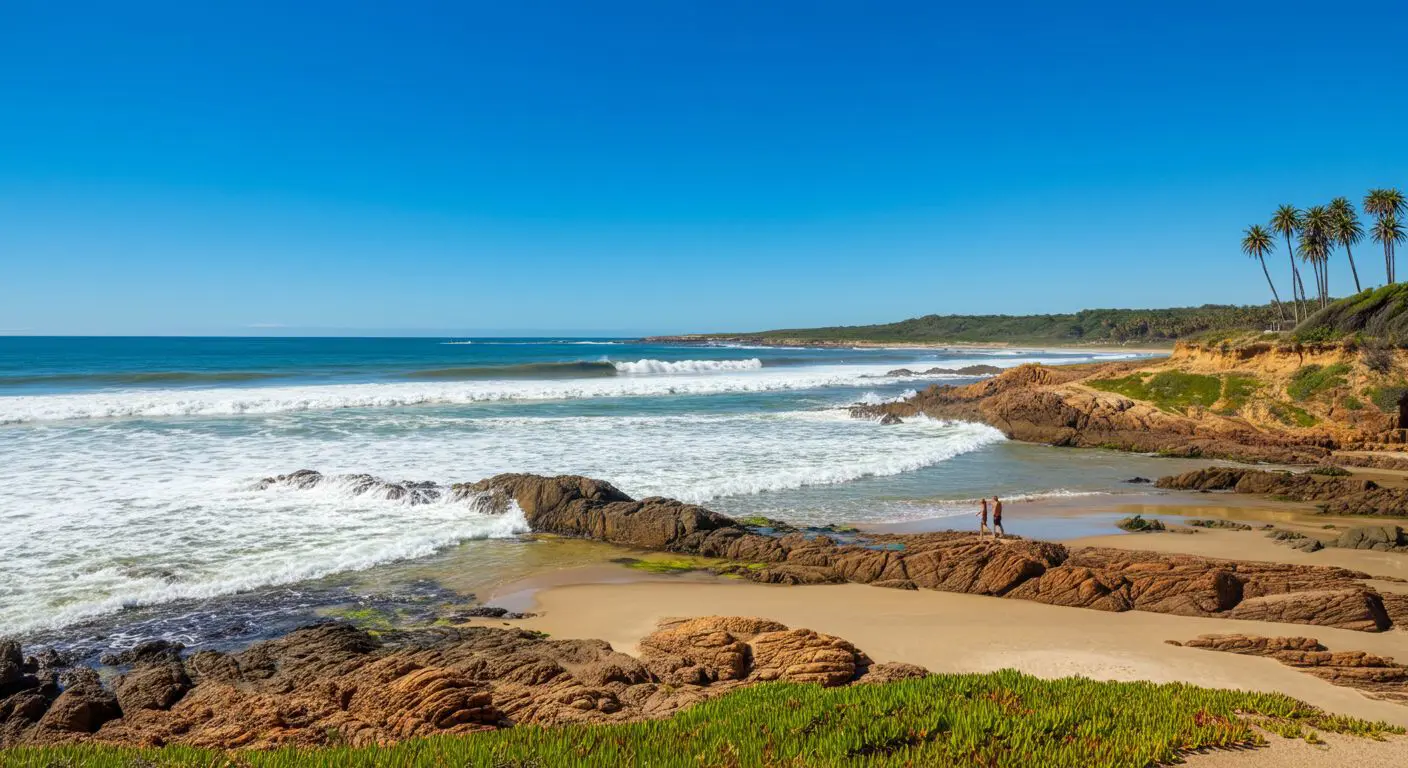
From the ocean beaches of the Rocha department to the tranquil waters of the Rio de la Plata , Uruguay boasts 600 kilometers of coastline, ideal for a road trip through the country's major cities and seaside resorts. In this article, we suggest a route from Brazil via the border town of El Chuy and ending in Colonia del Sacramento , from where you can reach Buenos Aires in under an hour.
[caption id="attachment_4188" align="aligncenter" width="675"]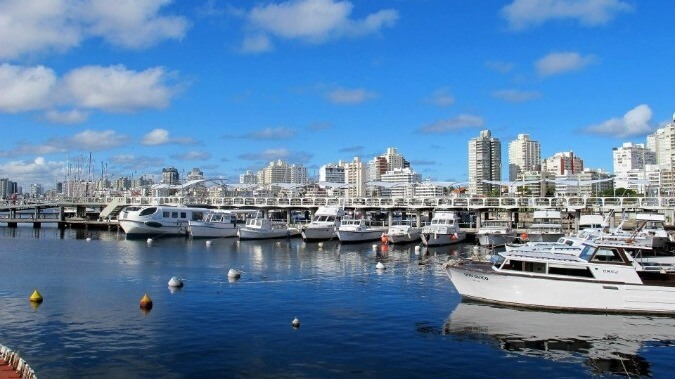 Uruguay boasts 600 kilometers of coastline, enough to satisfy every traveler / Photo: Carina Fossati[/caption]
Santa Teresa
Rocha Department, kilometer 302 of Route 9
Ideal for camping and nature lovers, Santa Teresa National Park covers 3,000 hectares along the coast and boasts, right at its entrance, one of the country's most magnificent and best-preserved colonial fortresses , dating back to the mid-18th century. Two kilometers from the entrance are beaches with rental cabins, a hostel, and a campsite. Entry to the national park is free for all day visitors who come to enjoy the beaches or prepare an asado (local barbecue) on one of the available public grills. However, those wishing to stay overnight must register at the entrance and pay the corresponding fee. The fortress is open from 10:00 AM to 7:00 PM in high season and from 10:00 AM to 5:00 PM in low season, and the entrance fee is 40 Uruguayan pesos (less than €1.50) per person. [caption id="attachment_4190" align="aligncenter" width="676"]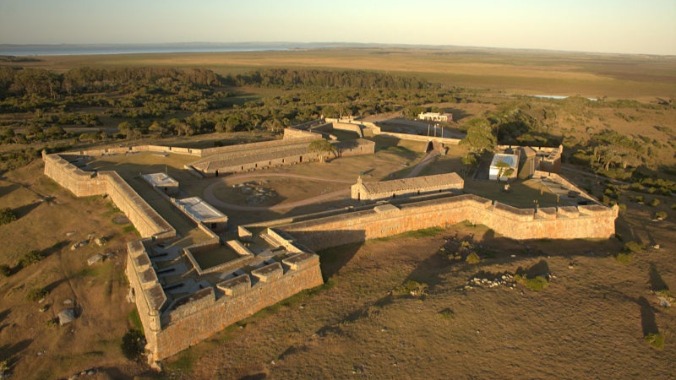 Discover the fantastic colonial fortresses of Santa Teresa / Photo: Carina Fossati[/caption]
Devil's Point
Rocha Department, kilometer 298 of Route 9
The seaside resort was established in the 1930s and maintained its traditional fishing village character until about ten years ago, before becoming a favorite tourist destination for Uruguayan youth during the summer season. However, in winter, the village has only 800 inhabitants (2011 census), and has thus been able to preserve its original character. Along its 10 kilometers of coastline, there are three beaches: Los Pescadores beach in the center, the most famous, characterized by its colorful artisanal fishing boats that approach the shore to offer the day's catch to tourists; Viuda beach to the southwest; and Rivero beach to the northeast. [caption id="attachment_4191" align="aligncenter" width="675"]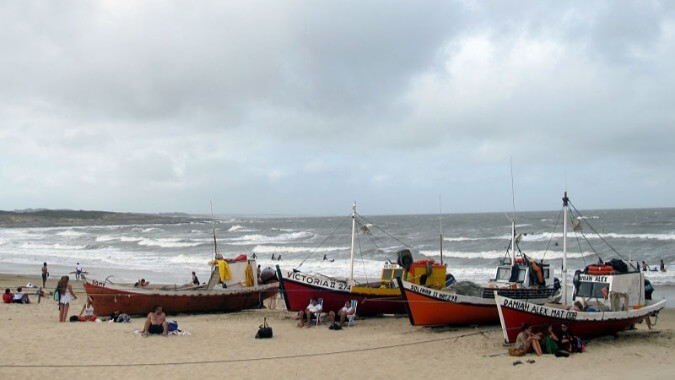 On Los Pescadores beach, admire the colours of the fishing boats / Photo: Carina Fossati[/caption]
Valizas
Rocha Department, kilometer 271.5 of Route 10
A small fishing village surrounded by towering dunes, Barra de Valizas is the most hippie-ish spot on the Uruguayan coast, popular with artisans and musicians . Among its attractions are numerous shipwrecks that you can explore while diving if the water is clear enough. A typical walk is along the dune path to Cabo Polonio (approximately 8 kilometers). You'll lengthen the walk a bit if you decide to take the coastal route, but the detour will allow you to see the wreck of the Don Guillermo , a US Navy ship that ran aground there in the 1950s.
Cabo Polonio
Rocha Department, kilometer 264.5 of Route 10
Without streetlights or paved roads, this beach resort is also inaccessible by road and can only be reached via the Puerta del Polonio Terminal by traveling seven kilometers through forests and dunes in an all-terrain vehicle. Only residents of the area can access it with their own personal vehicles. This inaccessibility ensures that this authentic place is preserved in a way that is unique in the country, comparable only to Jericoacoara in Northeast Brazil. It is one of the best beaches in the country; however, the best time to enjoy it is after nightfall , when the only lights besides the moon and stars are those of the lighthouse at the tip of the cape and the candles or lanterns of the locals. Tip : If you are in Punta del Este and don't want to miss visiting this incredible place, book the Cabo Polonio and Monte de Ombúes excursion online and make the most of your trip! [caption id="attachment_4184" align="aligncenter" width="675"]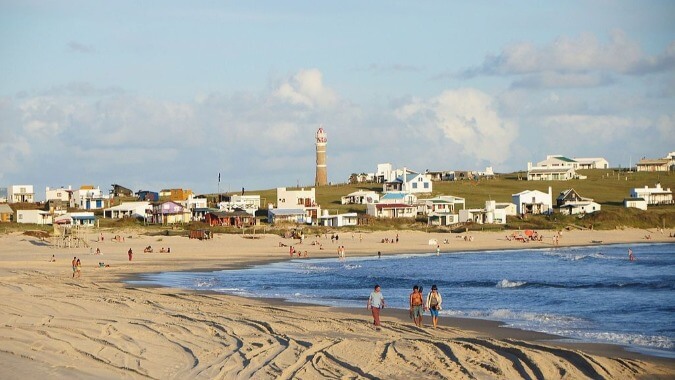 Discover the Cabo Polonio lighthouse, one of the main attractions of this magnificent place / Source [/caption]
La Pedrera
Rocha Department, kilometer 228.5, Route 10
This location is ideal for those who prefer not to travel by car, as you can easily reach the beaches (El Desplayado and El Barco), as well as the bars, restaurants, and shops on the main street, on foot from your hotel or hostel. While popular with groups of young people , it's also very suitable for families , except perhaps during Carnival if you'd like to escape the music that goes on until the early hours. About ten kilometers away is La Paloma , a seaside town that welcomes both young people and families during the high season and offers better infrastructure and services. One of its beaches, La Balconada , is known as a prime spot to watch the sunset and its descent into the sea.Punta del Este
Maldonado Department, kilometer 132 of the Interbalnearia road
One of the most upscale resorts in Latin America , popular with the Rio de la Plata jet set, and also frequented by many North American celebrities and members of European royalty . If you're looking for beaches and buildings reminiscent of Miami, you'll find what you're looking for on the peninsula with Gorlero Avenue and the high-end luxury brands near the famous Calle 20. Alternatively, for a relaxed, hippie-chic atmosphere, opt for areas like La Barra, Manantiales , and José Ignacio . Keep in mind, however, that the most impressive sunsets occur in Portezuelo and Solanas , where the artist Páez Vilaró built his renowned hotel, restaurant, and museum, Casapueblo . Don't forget to visit the resort's port on the peninsula, and if you have time, take a ferry to spend the day on Gorriti Island . Tip: Enjoy the sunset in Casapueblo from a new perspective and discover unforgettable experiences in Punta del Este in this catalog. Punta del Este is one of the most upscale beach resorts in Latin America. / SourcePiriápolis
Department of Maldonado, kilometer 82 of the Interbalnearia road
Quiet and family- friendly, this mid-range seaside resort offers a picturesque promenade lined with hills, a unique experience on the Uruguayan coast. Along the coast, you'll find chairlifts that take you to the summit, an ideal spot for panoramic photos. Singles can also take the opportunity to visit the San Antonio Sanctuary , known for its romantic allure. Four kilometers away lies Sugarloaf Mountain, which, at 389 meters high, dominates the country and is easily recognizable by the 35-meter cross at its summit. A path allows you to hike to the top, and from there you can also reach a seven-hectare protected park, the Sugarloaf Mountain Wildlife Breeding Station, where you'll encounter deer, mountain cats, and capybaras. You'll also find the Aventura EcoPark there, which offers activities such as treetop trekking , hiking , falconry , climbing , and rappelling . Another recommended outing is a visit to Piria Castle, which belonged to the businessman who founded this seaside resort: Francisco Piria (1847-1933). Although it's not very well preserved, it's worth a visit if you want to discover the Freemasonry and alchemical symbols hidden within its structure.Montevideo
Department of Montevideo, kilometer 0 of the country.
Although it's not the Atlantic Ocean but the Río de la Plata that washes its shores, Montevideo's beaches are unique in that they are bordered by a 22-kilometer promenade that can be explored on foot, by bicycle, or by car. It's a favorite spot for locals to stroll, run, sit and chat, and drink maté , a type of tea shared among friends like a ritual. Tip : Discover the Uruguayan capital with the best Montevideo excursions from Uruguay4u. [caption id="attachment_4193" align="aligncenter" width="675"]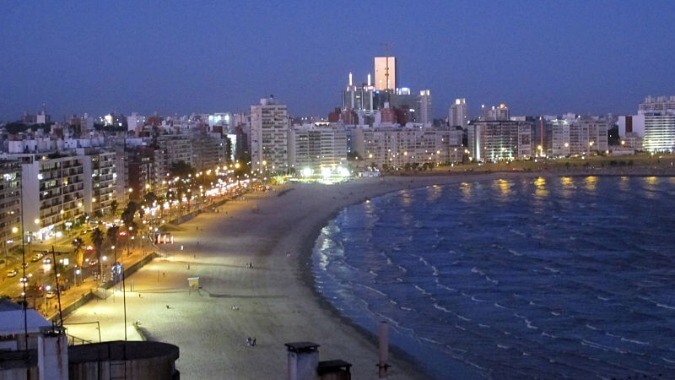 Take a stroll along the Montevideo coast and enjoy the Uruguayan night / Photo: Carina Fossati[/caption]
Colonia del Sacramento
Department of Colonia, kilometer 176 of route 1
Its historic center has preserved the old stone streets of the Portuguese and Spanish colonial-era buildings . Founded in 1680 by the Portuguese, Colonia is the first and oldest city in Uruguay. But a visit to this city wouldn't be complete without witnessing the sunset from its coast: yellow, orange, red, purple—the colors blend in a unique way. Don't forget your camera! The neighboring city of Nueva Helvecia, about 58 kilometers away, is also worth a visit: the only Swiss settlement in Uruguay, it boasts houses and public spaces decorated with the coats of arms of the different cantons from which its inhabitants originated, forming a unique ensemble. Tip: Explore the wonders of the city with these various excursions to Colonia del Sacramento . [caption id="attachment_4194" align="aligncenter" width="675"]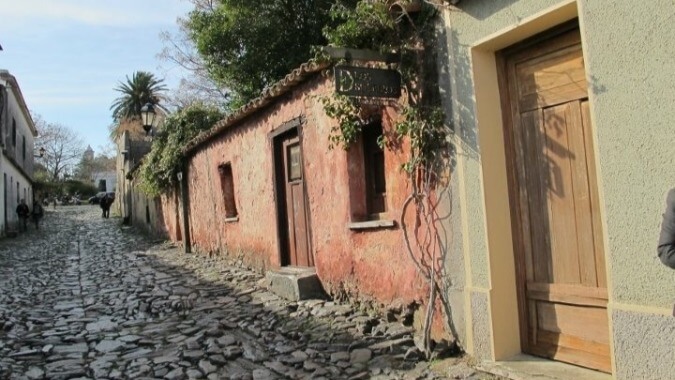 Explore the historic center of Colonia with its narrow stone streets / Photo: Carina Fossati[/caption]
RECOMMENDATIONS
- It is recommended to do this trip from mid-spring to early autumn (September to early April) if you want to enjoy the beaches and swim. If you prefer lively nightlife, the last week of December, the first two weeks of January, and Carnival week are the best times to go. Conversely, if you like peace and quiet, a more family-friendly atmosphere, and more affordable prices, avoid these periods. This recommendation, however, does not apply to Montevideo, which experiences its slow season in January, a time when many restaurants, shops, and bars close for the holidays. - In Uruguay, dinner is served later than in many other parts of the world , and even later during the holidays. The secret to staying awake between lunch and dinner, usually between 10 p.m. and midnight, is the "merienda" : maté, tea, or coffee with "bizcochos," a type of pastry similar to a croissant that can be eaten plain or with ham, cheese, or dulce de leche. On sunny days, Uruguayans like to enjoy this snack on beaches, promenades, in parks, or on squares. On rainy days, especially in smaller towns in the interior, you can try tortas fritas , which are sold at street stalls. Another secret to staying awake until midnight is the siesta , a habit many Uruguayans enjoy during holidays and weekdays: in the interior and in small villages, many shops close from noon to 2 or 3 p.m. so that owners can have lunch with their families and rest....
Come discover the best of the Uruguayan coast and enjoy unforgettable experiences in this incredible country. If you're already convinced and want to start planning your itinerary, you'll also find some travel tips for Uruguay here. And if you'd like to know what the must-do activities are in this country, check out the Uruguay4u excursions catalog and choose what suits you best.By: Carina Fossati , journalist and author of the blog Hills To Heels .
Published by Has Chacon on 04/06/2026


