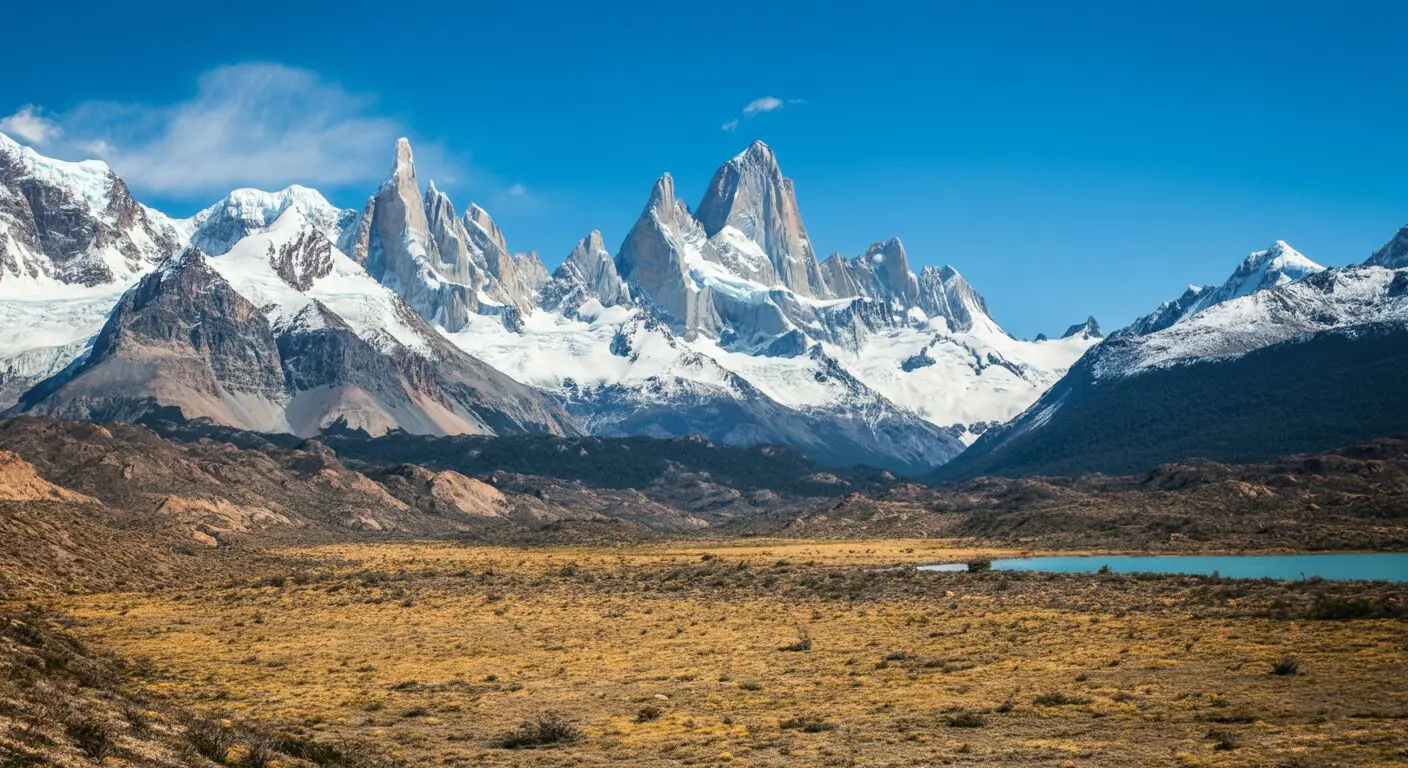
Chilean Patagonia is one of those rare regions where everything changes in a very short distance . In a matter of minutes, you can go from a dense forest to an open valley, and each area has its own microclimate. The strong wind is not insignificant: it influences your pace, your balance, and even how you dress. Intermittent rain is part of the scenery, as fronts arrive from the Pacific almost without warning.
The trails are well-marked, but the terrain is very varied : loose stones, mud, wooden footbridges, steep climbs, and long descents that will really work your knees. Glaciers, turquoise lakes, and granite cliffs are never far away; hiking allows you to get close to them quickly, which is why the landscapes are constantly changing.
Many treks alternate between windy areas and sheltered sections. You might be battling gusts at a viewpoint, then walking peacefully under the trees ten minutes later. This combination of unpredictable weather, nearby hills, and changing terrain gives each route its own unique character.
This isn't a destination for mindless hiking. You need to choose your trek based on your actual fitness level , anticipate various conditions, and accept that the weather will influence part of the day. And that's precisely why, when you reach a viewpoint or a glacier, the feeling is simple: you know you've earned it, step by step.
Why go trekking in Chilean Patagonia?
Chilean Patagonia brings together elements rarely found in one place. The routes are well-organized , with shelters, campsites, and clear signage that allow for both easy hikes and long treks. The weather changes very quickly , and while this can complicate the hike, it also constantly transforms the landscape: a hidden glacier can suddenly appear.
A great diversity of terrain can also be found within this compact area : forests, wide valleys, turquoise lakes, hanging glaciers, and rocky areas. No extreme altitude or alpine experience is required to enjoy breathtaking panoramas.
Another advantage: access is easy from Puerto Natales, Coyhaique, or the parks along the Carretera Austral. It's easy to combine several treks in a single trip without wasting days in transit.
How to choose your trek in Patagonia (according to your level, your time and your expectations)
1. Your actual level, not the one you would like to be at
The best way to ruin a trip is to choose a trek far beyond your abilities. It's not about ego; it's about safety and enjoyment.
– If you haven’t done any sport for a while, opt for short routes with little elevation gain.
– If you hike regularly or have already hiked at altitude, you can aim for longer circuits like the W, or even the O.
– If you like to walk at a leisurely pace rather than pushing your limits, no problem: there are some superb easy trails.
2. The time you have available
Patagonia never follows a perfect schedule. There's always a day when the weather changes everything.
– With 1 day: choose a short, well-marked hike, with the possibility of turning back in case of bad weather.
– With 2 to 3 days: Base Torres, Miradors d'Aysén or Ventisquero Colgante.
– With 4 to 6 days: the W circuit is ideal for a balanced trip.
– With 7 to 10 days: the O circuit is perfect for total immersion.
3. What you truly want to experience
Some hikes lead to an iconic viewpoint. Others offer a quiet path through forests and nearly deserted lakes.
– For a “picture postcard moment”: Torres Base.
– For a physical challenge and intense landscapes: W or O circuits.
– For something wilder and less touristy: Cerro Castillo or Dientes de Navarino.
– For easy walking: short trails in Aysén or Pumalín.
Must-do treks in Chilean Patagonia
1. Torres del Paine – Base Torres
What the route actually looks like:
The trail begins with a steady 1.5 to 2-hour climb, without shade and with a sustained elevation gain. Next, it crosses a gentler valley, with forest and footbridges. The final section is a rocky ascent: not technical, but demanding.
What you can expect:
Intermediate views of the valley, the river, and the surrounding mountains. The final viewpoint suddenly appears: turquoise lagoon and the Towers very close. On cloudy days, the peaks can be shrouded and uncovered several times.
Actual level: intermediate.
Duration: 7 to 9 hours (round trip).
For whom: travelers in good physical condition.
Tips: Start early, protect yourself from the sun in the first section, and save energy for the descent. The wind at the viewpoint is often stronger than on the trail.
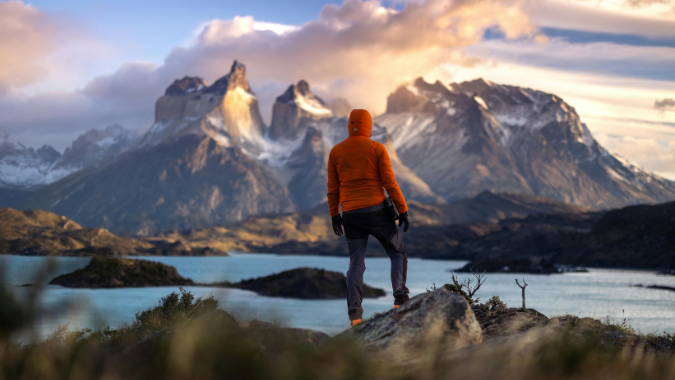
2. Torres del Paine – Circuit W
The W circuit crosses three main valleys. Each requires a different effort and offers a unique atmosphere, making the trek very varied.
– French Valley: moderate climb, rocks and roots. The sound of ice falling from the glacier is impressive, even when you can't see it clearly.
– British viewpoint: demanding climb and one of the most complete views in the park when the weather is clear.
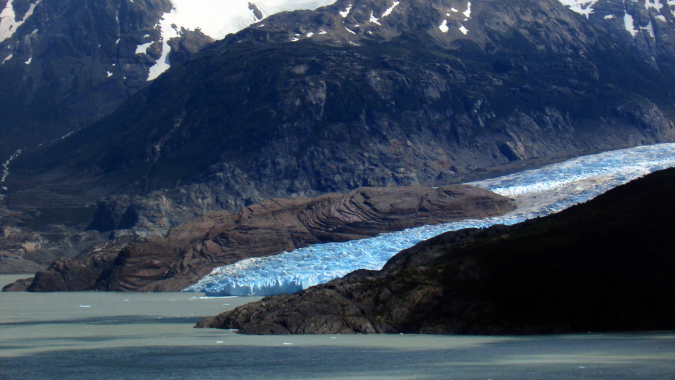
– Grey Glacier: a long, more regular section, with areas exposed to the wind and several natural viewpoints.
– Base Torres sector (if included): the most physically demanding day due to distance and elevation gain.
What you can expect:
Stages of 6 to 10 hours depending on the section, well-marked trails, simple shelters, organized campsites, and many hikers in high season. The wind can make some valleys twice as difficult.
Actual level: intermediate to upper-intermediate.
Duration: 4 to 5 days.
Advice :
– Travel light: with 12–14 kg on your back, the trek changes completely.
– Leave early each morning to avoid the afternoon gusts.
– The shelters and campsites are lively; if you are sleeping lightly, take earplugs.
3. Torres del Paine – Circuit O
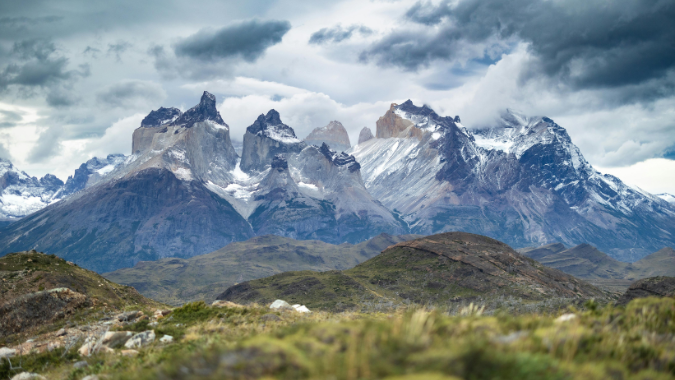
The O circuit circles the entire massif, allowing access to areas most travelers never see. The first few days are long, wet, and muddy , with river crossings on footbridges or rocks, and several sections exposed to the wind. The trail is significantly more solitary than the W circuit, especially in the northern section.
The key moment is the John Garner Pass . It's the most demanding climb of the route: crosswinds, uneven terrain, and moderate altitude. From the pass, the view of the Grey Glacier is immense, far more impressive than from the west. The descent is technical due to its length, elevation gain, and exposure to the wind.
What to expect:
Stages of 7 to 10 hours, simpler campsites than on the W, highly variable weather, and few hikers. It's not a technical trek, but it requires endurance, organization, and self-sufficiency.
Actual level: advanced.
Duration: 7 to 9 days.
Advice :
– The weight of the bag greatly influences the effort.
– Some days go by without seeing anyone: pleasant for some, too isolated for others.
– The northern part of the circuit is colder and wetter: bring several layers.
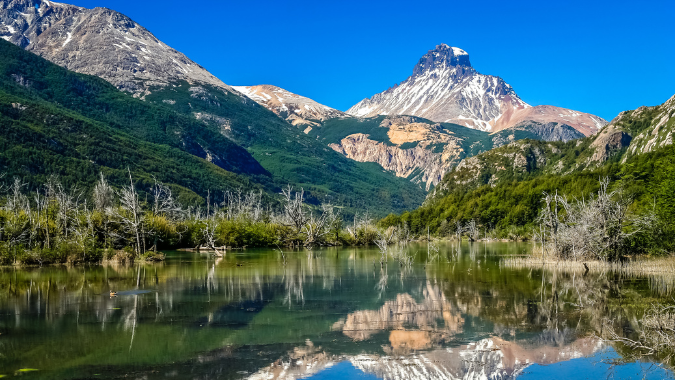
4. Cerro Castillo
The climb to the Cerro Castillo viewpoint begins almost immediately. The slope is steady, with loose soil and sections where hiking poles are very useful. There are no technical sections, but a good pace is necessary. The reward is the turquoise lagoon beneath the rock walls , one of Aysén's iconic landscapes.
The 3- to 4-day trek is different: wide valleys, basic campsites, windswept areas, and sections where the weather can change in minutes. It's much less frequented than Torres del Paine, which enhances the feeling of isolation.
Actual level: intermediate–advanced.
Duration: 1 day (viewpoint) or 3–4 days (crossing).
Advice :
– Leaving early helps to avoid the wind and to enjoy better light.
– Always take a warm layer: it is cool by the lagoon, even with sunshine.
5. Aysén Watchtowers
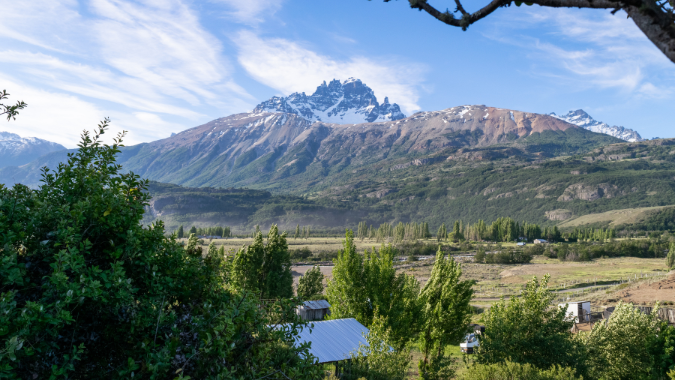
In the Aysén region, viewpoints are often close to the parking area, with well-marked trails and gentle slopes. In a short time, you can reach sweeping panoramic views : wide valleys, turquoise rivers, distant glaciers, and mountains capped with snow even in summer. The atmosphere is peaceful and uncrowded.
These are ideal routes for leisurely walks , requiring no complex preparation or strenuous physical effort. Many viewpoints remain interesting even on cloudy days, as the view isn't limited to a single, clear summit.
Actual level: beginner or hiker looking for a gentle walk.
Duration: 1 to 3 hours.
Advice :
– Perfect for bad weather days or between two big treks.
– Some viewpoints have no shade: bring water, even if it is cool.
6. Ventisquero Colgante (Queulat)
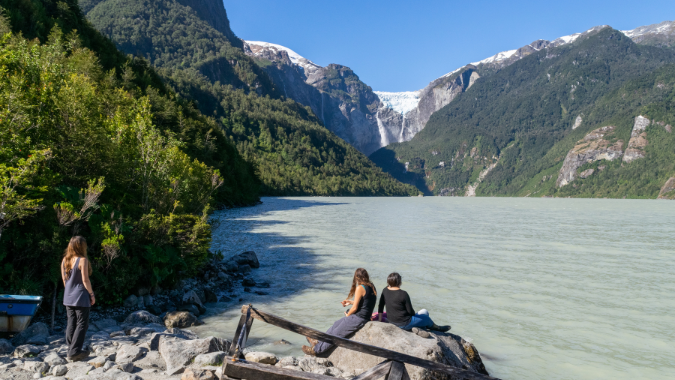
Queulat Park is one of the wettest in southern Chile, meaning the trail is almost always wet. The climb is short but continuous , with natural steps and slippery ground. The scenery is typical of Valdivian Italy: dense vegetation, moss-covered tree trunks, and wooden walkways to avoid muddy areas.
The final viewpoint offers a direct view of the hanging glacier , with a waterfall cascading down the rock face. On a clear day, the view is spectacular; on a cloudy day, the clouds can open and close several times.
Actual level: easy to intermediate.
Duration: 3 to 4 hours (round trip).
Advice :
– Shoes with good grip are essential when it rains.
– Even if the day is grey, take your chances: the weather changes very quickly here.
7. Navarino's Teeth
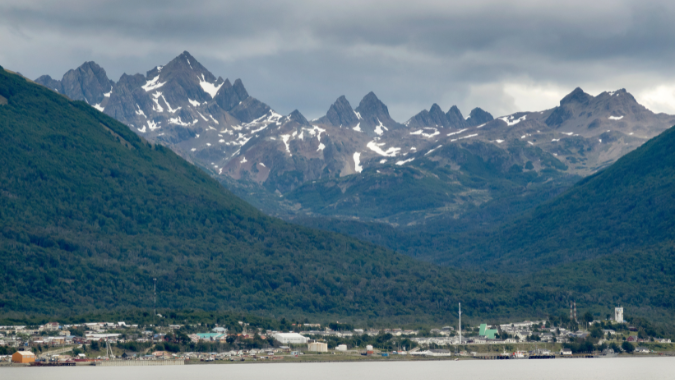
The Dientes de Navarino circuit is one of the most isolated treks in Chile. The trail combines steep climbs, rocky sections, wetlands , small lagoons, and exposed traverses, even in the height of summer. There is no infrastructure: rudimentary campsites and navigation rely primarily on GPS or following trail markers.
The landscape is very different from the rest of Patagonia: jagged peaks, dry valleys, blue lagoons and ever-changing terrain . For long stretches, you don't encounter anyone, which reinforces the feeling of being at the end of the world.
Actual level: advanced. Suitable for experienced hikers accustomed to difficult conditions.
Duration: 4 to 5 days.
Advice :
– Good orientation experience is essential.
– Well-optimized bag: no shelter or services on the route.
– Solitude is part of trekking; it's best not to go alone if it's your first experience in a very remote area.
Practical tips for hiking in Chilean Patagonia
– Always wear several layers.
– Never wear new shoes for the first time here: blisters guaranteed.
– The wind can knock over a bag placed on the ground.
– Eat regularly, without waiting until you are hungry.
– Do not rely entirely on the weather forecast: everything changes rapidly.
– If a park ranger advises you to turn back, listen to him.
– Accept that sometimes you can't see anything: that's normal in Patagonia.
– Notify a shelter if you are walking alone.
– Never underestimate the strength of the wind in exposed mountain passes.
Common mistakes made by travelers
– Thinking that “everyone does it, so I can do it too”.
– Leaving too late in the morning.
– Carrying too much weight.
– Not bringing enough food.
– Underestimating the weather.
– Drinking too little because it's cold.
– Pushing yourself to the limit in the last few kilometers and getting injured.
Hiking in Chilean Patagonia isn't about finding "the most famous trek," but rather the one that truly matches your fitness level, your pace, and the experience you're looking for. Each route has its own character: some are long and demand stamina, others are short and perfect for gray days, and many only reveal their beauty to hikers who can adapt to the weather.
Making the right choice makes all the difference. The right trek allows you to enjoy yourself, progress at a relaxed pace, and return with the feeling of having experienced something authentic, without excessive effort. In the end, you remember the journey as much as the viewpoint.
On Daytours4u , we have gathered a selection of treks and hiking experiences in Patagonia for all levels and durations.
You can compare routes, check distances and choose the one that really suits you directly on our platform.
Written by: Carolina Ferere
Published by Has Chacon on 04/06/2026


