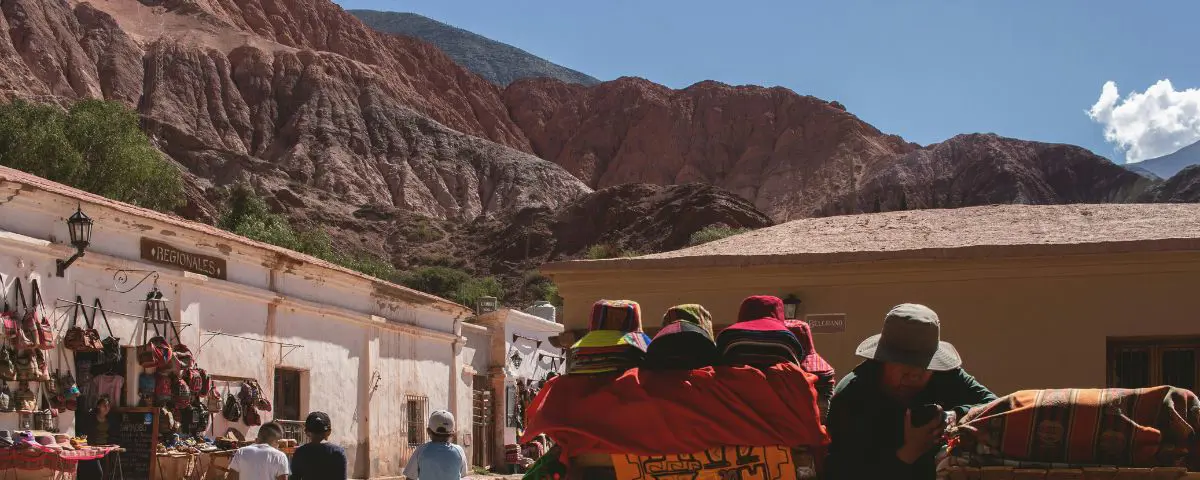
To travel to Salta successfully, it's essential to plan for high-altitude logistics, considering the distances of mountain routes and the time of year. The province combines arid landscapes with high valleys, requiring advance planning of transfers and excursions to optimize travel time.
Key Information for Your Trip to Salta
Documents: Valid physical ID card for Mercosur citizens; Passport for the rest of the world.
Minimum stay: At least 5 days are needed to cover the three main circuits (Capital, Cafayate and Cachi/San Antonio de los Cobres).
High altitude tip: Schedule visits to the highest altitude sites (Salinas Grandes or Hornocal) starting on the third day.
Currency and Payments: Cards are accepted in Salta Capital. In the towns of the Calchaquí Valleys and the Quebrada, cash in Argentine pesos is required.
1. Plan your trip: Climate, season and what to pack for Northern Argentina
What is the best time to travel to Salta?
The best time to travel to northern Argentina depends on the type of experience you're looking for. The region has a significant temperature range and climatic conditions that transform the landscape.
Autumn and Spring (April to June / September to November): These are the ideal seasons. The weather is mild during the day, the nights are cool, and the sky remains clear, perfect for unique views from the high viewpoints.
Winter (July to August): This is the dry season. The days are sunny, but nighttime temperatures can drop below freezing, especially in the Puna and Quebrada regions.
Summer (December to March): This is the rainy season. If you are traveling during this time, having access to specialized transportation services is essential to safely navigate unexpected weather conditions.
Requirements for traveling to Salta
Domestic and regional (Mercosur) tourists enter with only their valid physical identity document. International travelers require a valid passport. No special vaccinations are required to enter the province, but if you are considering renting a vehicle, you will need a driver's license.
How many days are needed to visit Salta?
For a truly enjoyable trip that goes beyond simply spending hours in a vehicle, the ideal minimum is 5 to 7 days. Dedicate a day to Salta Capital, a full day to Cafayate (land of Torrontés wine). Explore Cachi by crossing the Cuesta del Obispo. Allow at least two days to connect with the neighboring province of Jujuy (Humahuaca and Salinas Grandes).
What clothes to pack for northern Argentina to combat the temperature range
When packing, the key is to dress in layers. Due to the altitude, a sunny day in the Salinas Grandes can reach 22°C at midday. It can also drop to 2°C at sunset or when the Puna wind picks up.
Don't forget to pack: A good quality windbreaker, a fleece or thermal jacket, comfortable trekking shoes with good traction, sunglasses with UV protection and sunscreen (essential for the white glare from the salt flats), and a hat or cap.
2. Transfers and Altitude: How to avoid altitude sickness in Salta and Jujuy
Altitude sickness is one of the biggest concerns for first-time visitors to the region. Learn how to prevent it:
The secret to avoiding altitude sickness
To learn how to avoid altitude sickness in Salta and Jujuy, respect the scale of meters above sea level (masl) in ascending order:
Salta Capital: 1,187 meters above sea level
San Salvador de Jujuy: 1,259 meters above sea level
Purmamarca: 2,324 meters above sea level
Humahuaca: 3,012 meters above sea level
Leave excursions to extreme spots like Salinas Grandes (3,450 m) or the Polvorilla Viaduct (4,220 m) for the third or fourth day. Stay hydrated, avoid heavy meals during the first few hours of the ascent, and drink the traditional coca tea.
How to get around in Salta: Buses, taxis and excursions
To explore the province and connect the different tourist towns, you have three main options depending on your budget and travel style:
Buses: These connect the main terminals (Salta, Cafayate, Cachi). They are inexpensive, but have very limited frequency, rigid schedules, and do not make stops.
Car rental: It gives you freedom, but you need experience. Driving in Northern Argentina means facing altitude sickness while driving along narrow gravel roads.
Guided tours with transportation: Guided activities in Salta and Jujuy are the safest and most comfortable option. You'll be picked up from your hotel and travel in modern, well-equipped vehicles. Plus, you'll enjoy stops at viewpoints with unique vistas and local guides specializing in the region's rich archaeological and cultural heritage.
3. How much does it cost to travel to Salta and how can I save money?
Cash vs. Card: What to bring to Northern Argentina?
In Salta City, credit cards and mobile payment apps work well. However, in the Calchaquí Valleys, at the artisan markets in the towns and the regional roadside restaurants, internet connectivity is often unreliable. Having cash (Argentine pesos) is essential. You can get direct discounts of between 10% and 15% on handicrafts, folk music performances, and regional products.
Tips for saving money on your vacation to Salta and Jujuy
Book your Salta Airport transfer and the best excursions in northern Argentina in advance. Secure prices and guarantee your spot on popular activities like the iconic Train to the Clouds.
Venture a block or two away from the main square in towns for lunch. You'll find authentic local eateries where you can try the best Salta-style empanadas, tamales, and locro at a fraction of the cost of the mass tourist circuits.
4. What to do in Salta and Jujuy in 7 days
Days 1 to 3: Base in Salta Capital, Cafayate and Calchaquí Valleys
Day 1 City Tour in Salta : Dedicate the first day to exploring the colonial center of Salta. Visit the Museum of High Altitude Archaeology and acclimatize your body.
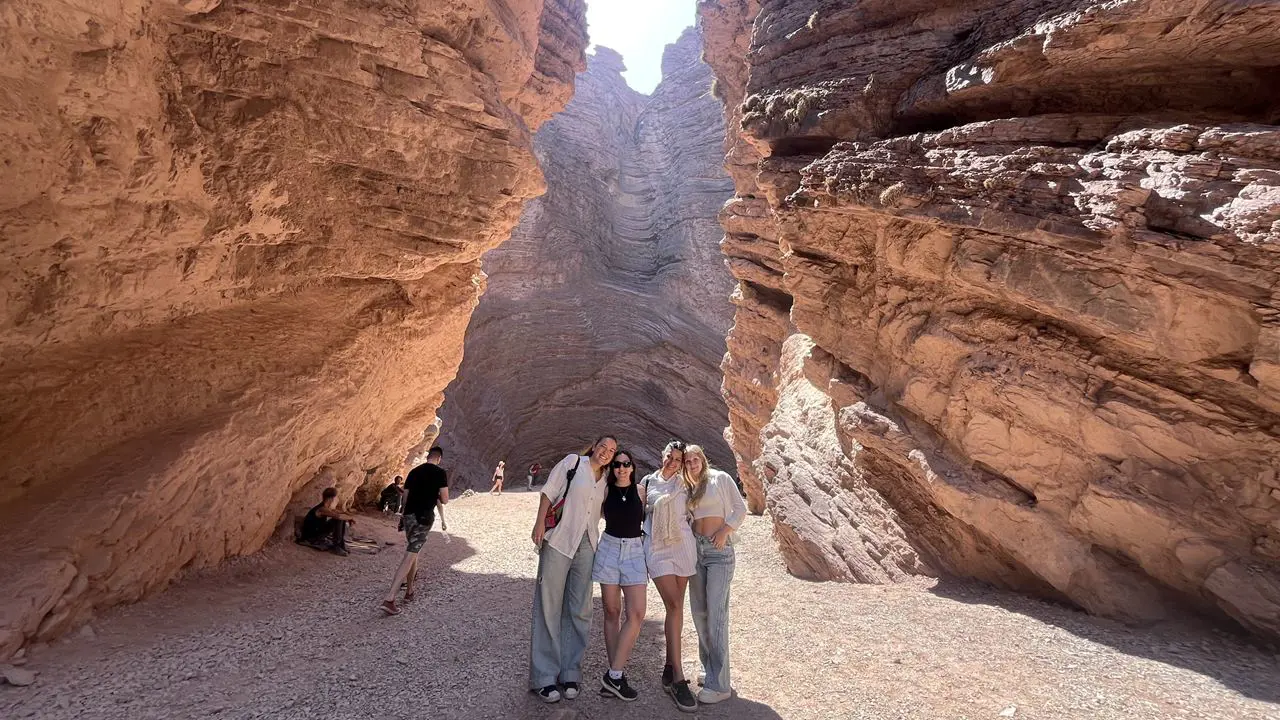
Day 2 Excursion to Cafayate High-Altitude Wines : Explore the Quebrada de las Conchas (Shells Gorge), stopping at the Amphitheater and the Garganta del Diablo (Devil's Throat). Upon arrival in town, you will visit traditional wineries to taste Torrontés wine, the region's emblematic grape variety.
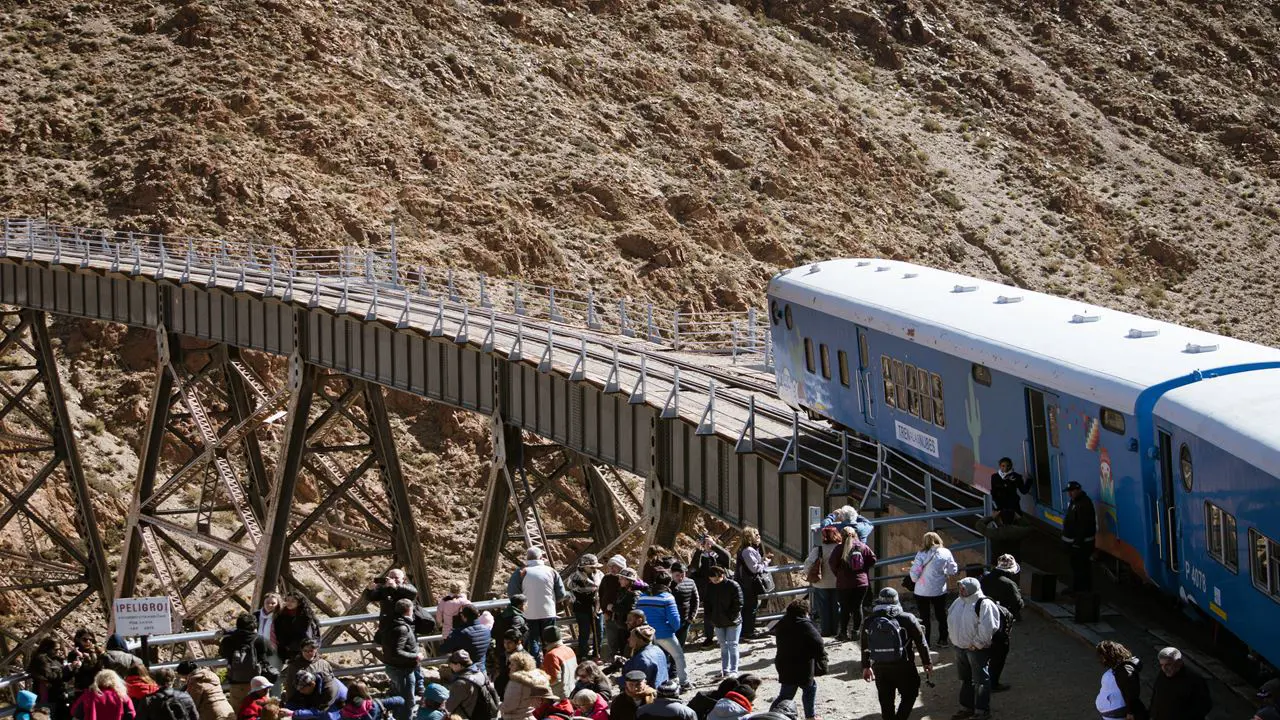
Day 3: Train to the Clouds Ticket : Take advantage of this day to experience the most famous excursion in the North. This is a hybrid service (Bus-Train-Bus), where a bus takes you through the Quebrada del Toro to San Antonio de los Cobres. Here you'll board the train to cross the impressive Polvorilla Viaduct. Because space is very limited, it's essential to book weeks in advance.
Days 4 to 7: Quebrada de Humahuaca, Salinas Grandes and Jujuy
Day 4 Purmamarca and the Hill of Seven Colors : Ascend towards the Humahuaca Gorge without feeling the effects of the altitude change. Explore pre-Columbian villages.
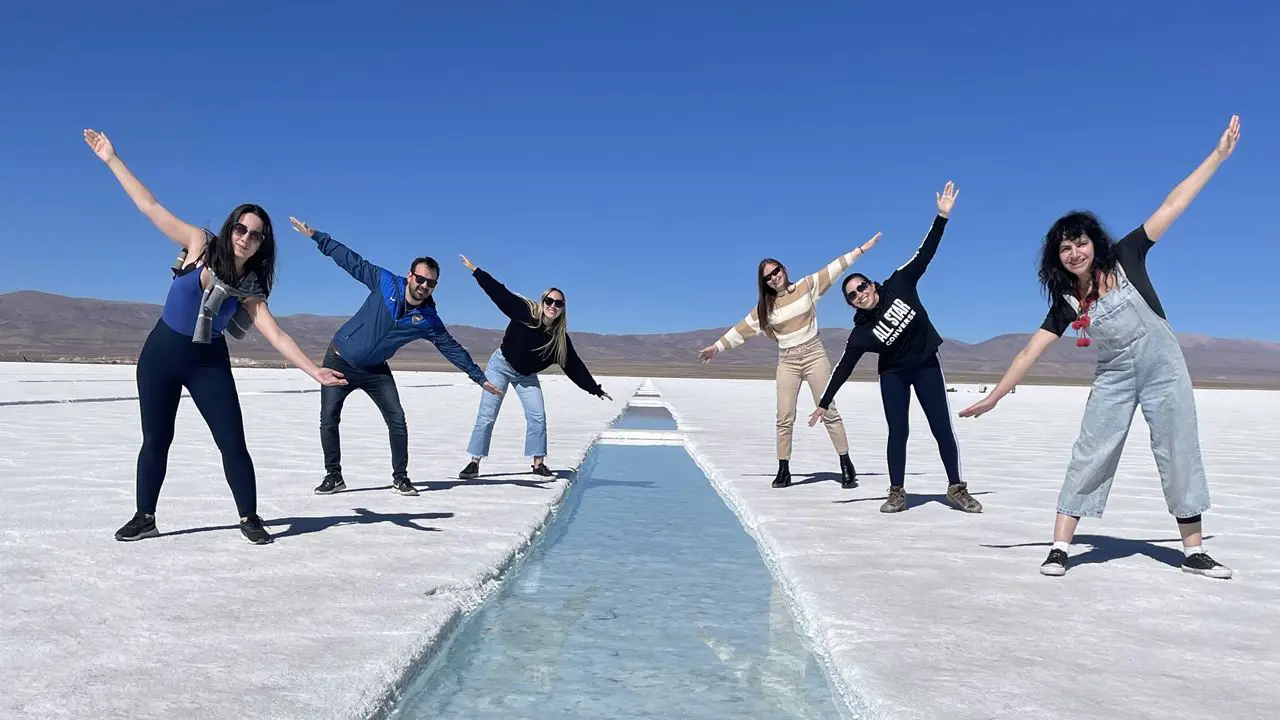
Day 5 Excursion to the Salinas Grandes : Dedicate the day to discovering the imposing white salt desert. The journey ascends to over 4,170 meters above sea level at the Lipán Pass. Explore the vast salt flats of the Argentine Altiplano.
Day 6 Solar Train 360° in the Quebrada : The Solar Train 360° allows you to visit all the stations of the Solar Train. Discover Volcán, Tumbaya, Purmamarca, Maimará, Tilcara and Posta de Hornillos.
Day 7: Return to Salta and transfer to the airport. Last chance to buy handicrafts and end of the trip.
5. Where to stay in Salta and Jujuy
To optimize your time and travel, these are the best areas to base yourself in hotels in Salta and Northern Argentina:
Salta City: Ideal for excursions, it's the best base if you're traveling without a car. You're close to the peñas (folk music venues), restaurants, and main attractions.
Cafayate: A great destination to spend at least one night. It allows you to explore the wineries at a leisurely pace and enjoy the surroundings of the Calchaquí Valleys without feeling rushed.
Purmamarca or Tilcara (Jujuy): Ideal for the second half of your trip. Purmamarca is quieter and more exclusive, at the foot of the Hill of Seven Colors; Tilcara offers a much wider variety of food, folk music venues, and a vibrant nightlife.
6. Local Flavors and Folk Music Clubs in Salta
Salta's cuisine is the most acclaimed in Argentina, and its best pairing is live music. Here are the must-try dishes for your palate:
What to try: It's ideal to order the authentic Salteña empanadas (small, juicy, hand-cut, and filled with potato). The corn pie, tamales, and hearty locro stew are other delights. For dessert, don't miss the quesillo with candied pumpkin and walnuts.
The perfect pairing: Cafayate is world-renowned for its high-altitude vineyards. Be sure to try the Torrontés (a uniquely aromatic white wine) and its intense Malbecs grown at over 1,700 meters above sea level.
The Folkloric Club Experience: In the city of Salta, dinner is enjoyed with the sounds of guitar and drum in the background. On the legendary Balcarce Street and in the clubs surrounding the city center, you'll find locals and visitors alike, singing and dancing zambas and chacareras until the early hours.
7. Connectivity and useful information in Salta
Mobile signal: On routes crossing ravines and in the heart of the Puna region, there is no cell phone signal. Download interactive maps and service confirmations before leaving the capital.
Altitude Sickness (Apunamiento): When visiting areas like Salinas Grandes or San Antonio de los Cobres, you'll be at altitudes above 3,500 meters. Avoid heavy meals the day before, stay hydrated with mineral water, and drink the famous local coca tea to help your body acclimatize.
Plugs: Type I (three flat prongs in a "V" shape) is used. The voltage is 220V.
Do you have any questions about your trip to Salta?
If you're planning your vacation and want to visit Cafayate, the Salinas Grandes salt flats, or find out more about transfers, hotels, or rates, contact us ! We'd love to help you plan your next adventure in Northern Argentina.
By: Hasbleidy Julieth Chacón – Web Content Creator for Daytours4u.com
Published by Daytours4u.com on 18/08/2026


