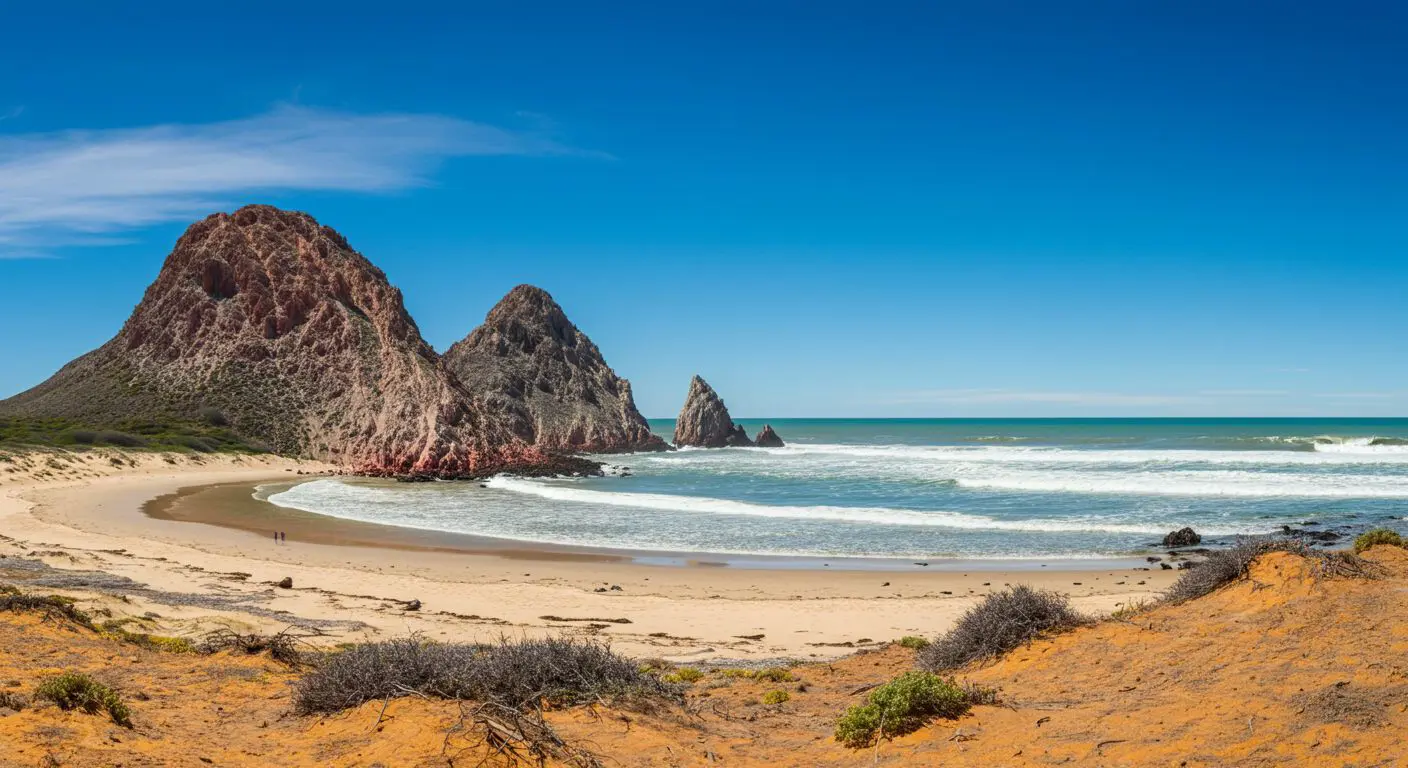
Cabo Polonio: A magnificent village lost in the Uruguayan countryside
The third stop on our Uruguay beach guide: Cabo Polonio. In this village, you're immediately struck by its isolation, which gives you a feeling of being "outside the world" (no road leads directly there; to get there, you'll need to take a 4x4 bus or use your own two feet). Without running water or electricity, this small town has attracted many hippies and expats seeking a timeless place surrounded by nature.
Located in the heart of the nature reserve of the same name, Cabo Polonio is one of the most unique spots on the coast. This fishing village, perched on a rocky promontory where a colony of sea lions has settled, is made up of a hillside dotted with colorful cottages. Now that the area has been designated a protected nature reserve, no further construction is permitted, making it the perfect retreat for a relaxing holiday surrounded by unspoiled nature.
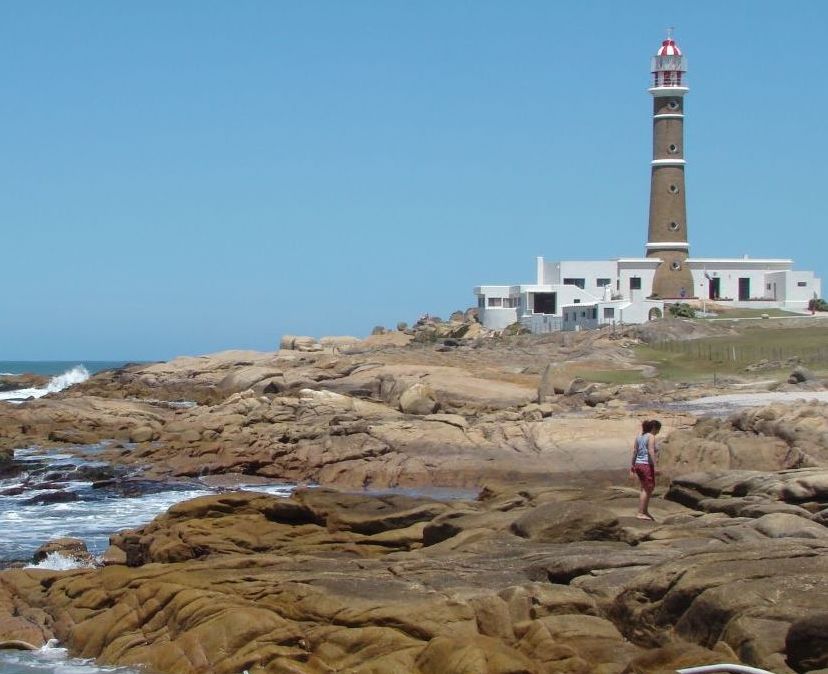 The Cabo Polonio lighthouse / Source
Sea lion fishing:
Like the village of La Pedrera , the village of Cabo Polonio is intimately linked to the shipwrecked sailors who settled along its coast. Until the construction of its lighthouse in 1881 , numerous ships bound for Buenos Aires or Montevideo were wrecked on its shores, misled by the reefs formed by the Torres Islands . Following the lighthouse's construction, fishermen settled there, some of whom dedicated themselves solely to sea lion fishing . It wasn't until the 1960s that the first hippies ventured to its shores and began building small cabins facing the sea. The increasing influx of visitors from the early 2000s onward made the Uruguayan government aware of the need to protect this village, and in 2009, it was designated a protected nature reserve .
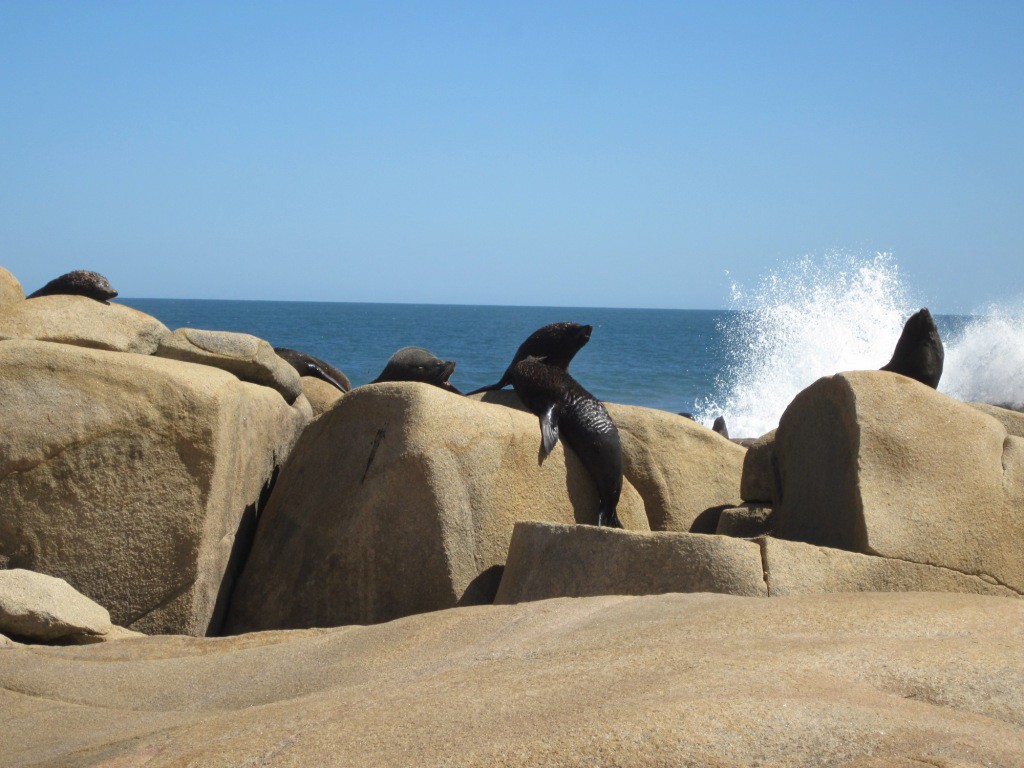 The famous sea lions. / Source
What to do in Cabo Polonio - Practical guide
Cabo Polonio is one of the most beautiful and unusual coastal villages in Uruguay; most activities are "nature-based," and you can enjoy the beach, the inherent relaxation of the place, and observing its wildlife.
There are two beaches in Cabo Polonio. Playa Sur , the more beautiful of the two, is particularly well-suited for surfing (surfboards can be rented there). We also recommend the beach bar, which serves excellent caipirinhas. Playa La Calavera , on the other side of the village, is quieter and the water is a bit warmer.
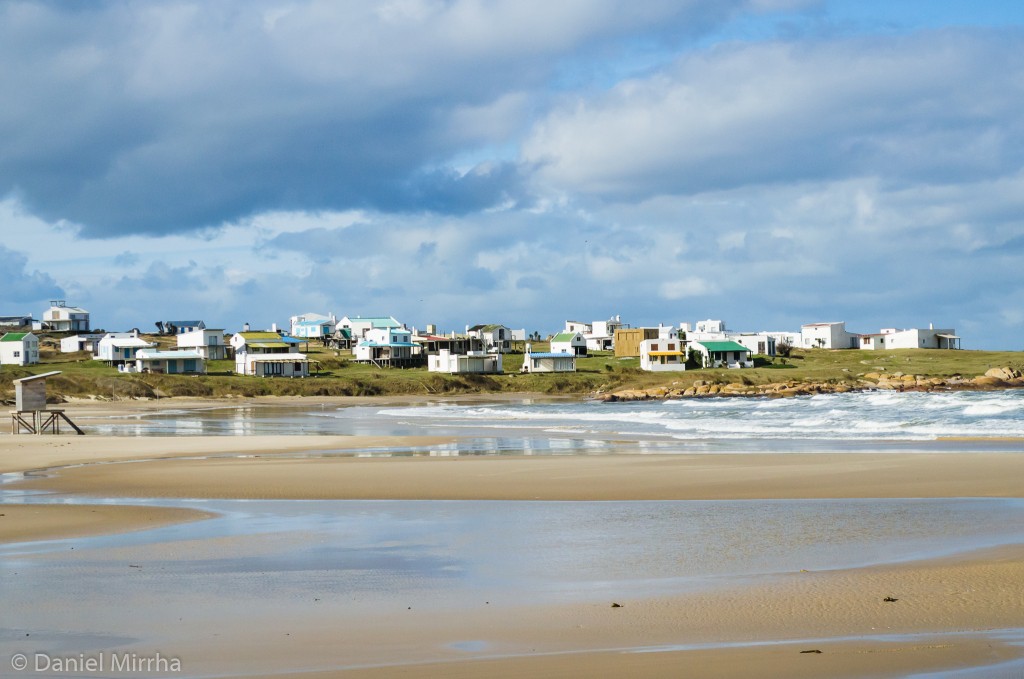 View of Playa Sur from Cabo Polonio. / Source
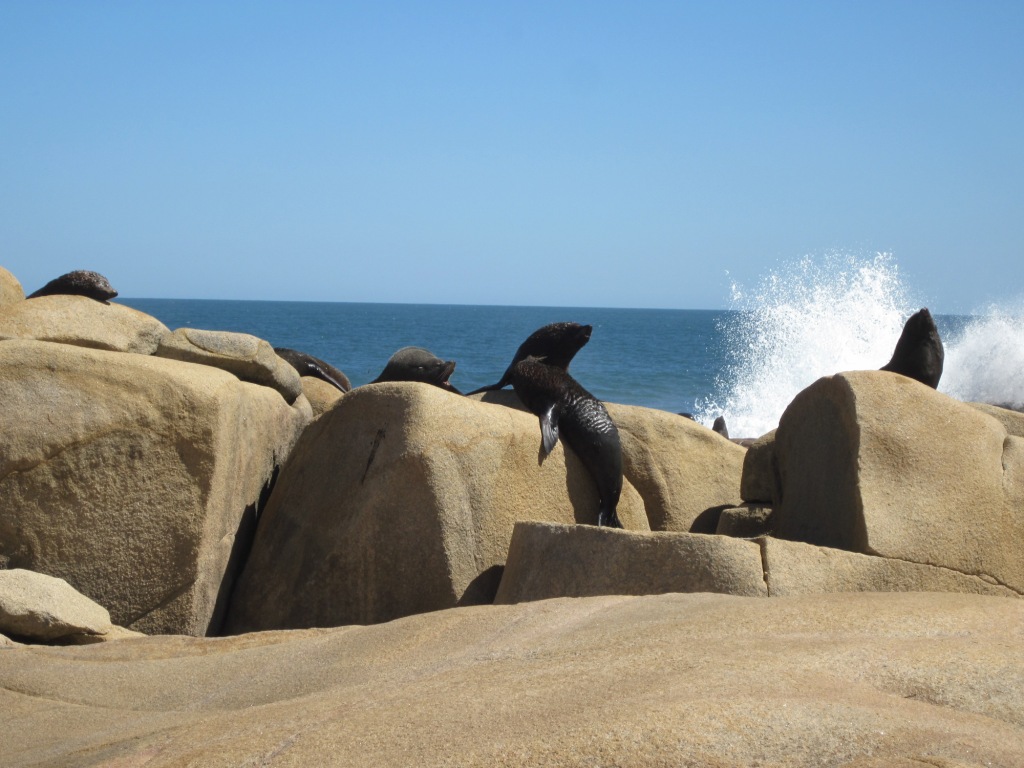
Cabo Plonio's most distinctive feature is its colony of sea lions that have taken over the rocks below the lighthouse and the surrounding islands. From the rocks, you can observe a veritable profusion of these animals up close. The fish-rich waters off these shores also attract other marine life. During our visit, we also spotted dolphins (quite common in this region).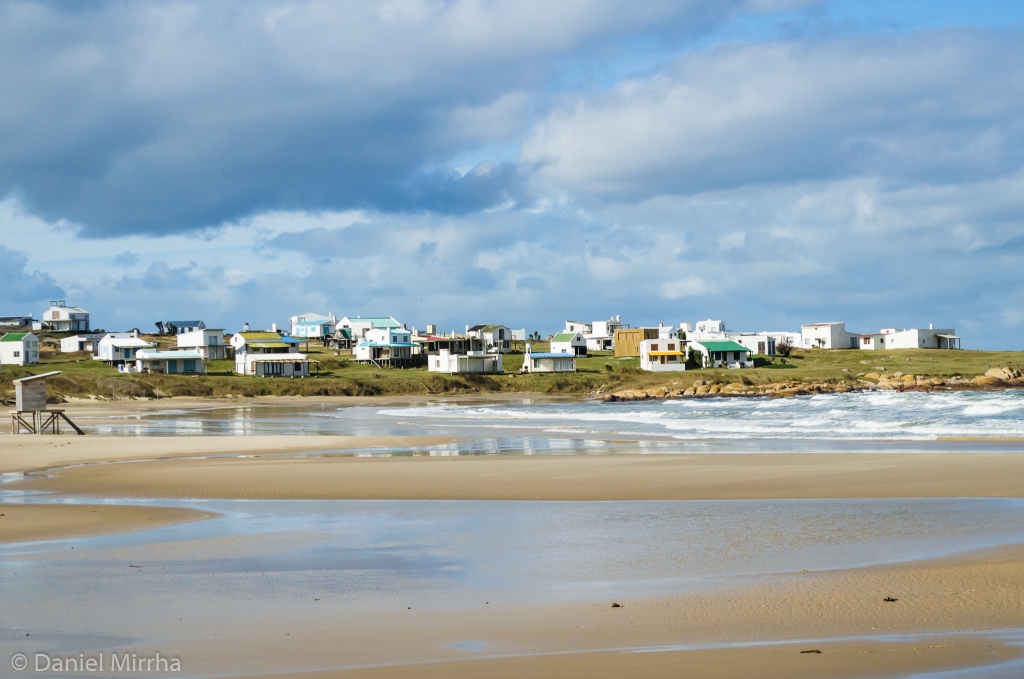
As at La Paloma, we recommend climbing the Cabo Polonio lighthouse (steep stairs for 40 meters!) to enjoy an excellent view of its surroundings and the islands forming the reefs of the Torres Islands.
 The reefs surrounding Cabo Polonio. / Source

Even at night, the magic fills this place. The absence of electricity prevents any light pollution for several kilometers around, giving Cabo Polonio the most beautiful sky on the Uruguayan coast . On moonless days, the Milky Way is perfectly visible.
Where to stay?
To truly experience this place, we recommend renting a house to live like a local. Houses for rent are available on this website . Prices vary considerably depending on the season. There are also a few hostels offering basic comfort and two guesthouses/hotels providing the highest level of comfort. Please note that camping is now strictly prohibited in Cabo Plonio; the only campsite is located at the beginning of the road leading to the village.
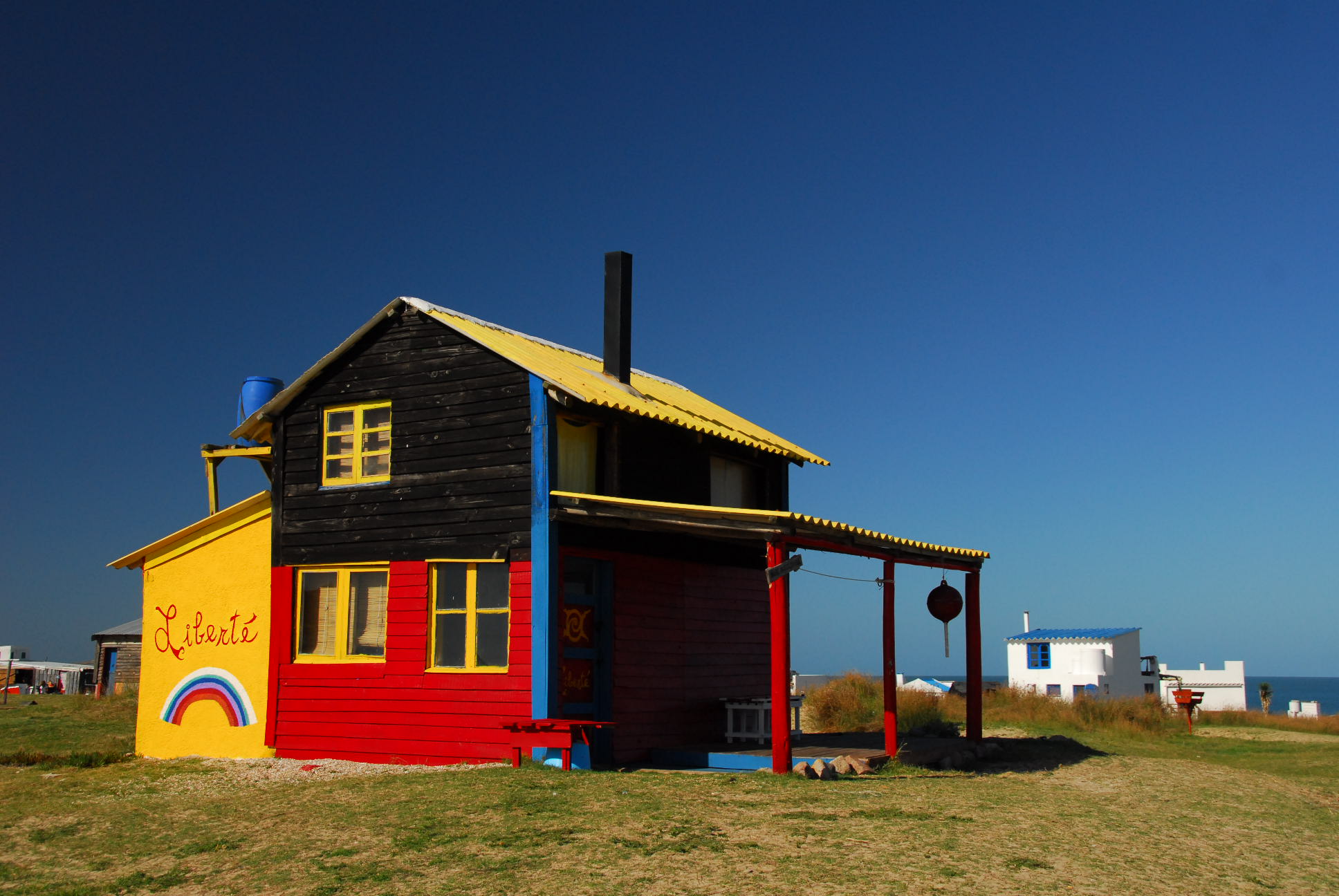
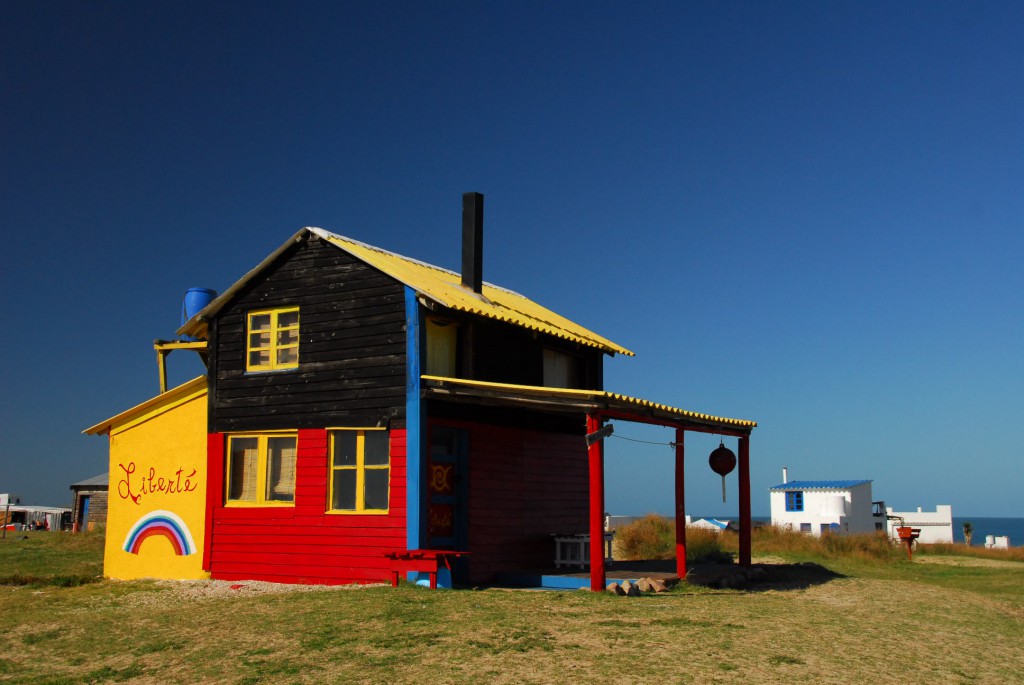 Typical Cabo Polonio hut. / Source
Where to go out?
Most nighttime activities take place on the beach, often with drums playing. There are a few restaurants overlooking La Cavalera beach that offer very good quality fish and shellfish.
How do I access it?
The adventure begins!
By car : The entrance to Cabo Polonio is located at kilometer 264.5 on Route 10 in the Rocha department (45 kilometers from La Paloma). From there, you'll need to leave your car and take one of the 4x4 buses that will take you to the village, driving along pine forests and climbing dunes for about half an hour. Hold on tight, it's a bumpy ride!
By bus : From the Tres Cruces terminal in Montevideo , three companies will take you to the entrance of Cabo Polonio: Ruta del Sol , Cot , and Cynsa-Nuñez . If you are coming from La Paloma or La Pedrera , Ruta del Sol will provide the connection. From there, you will need to take a 4x4 or walk approximately 8 kilometers .
Published by Has Chacon on 04/06/2026


