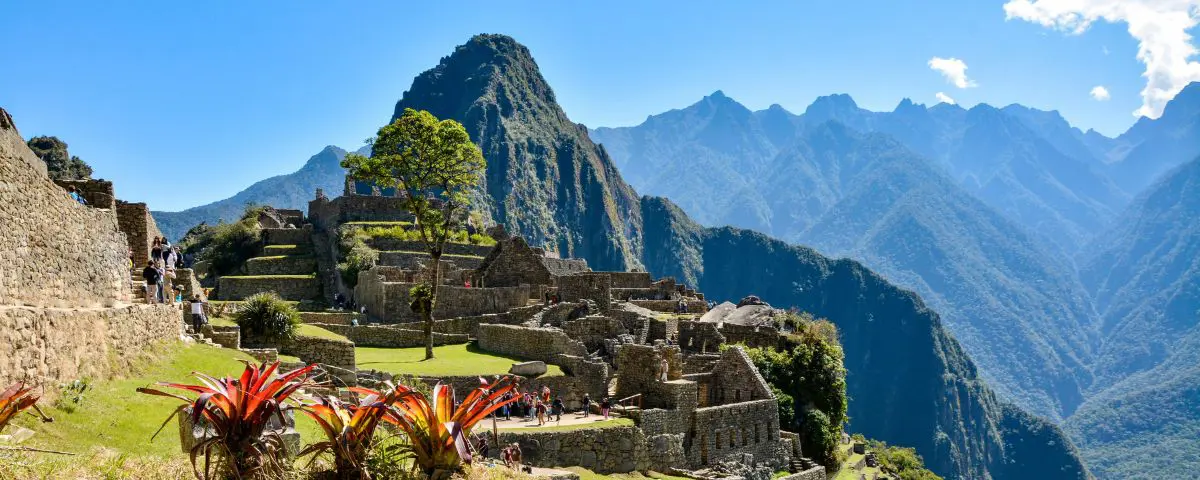
To visit Machu Picchu, you need to book your tickets months in advance. Choose the archaeological circuit that best suits your fitness level and carefully coordinate your train transfers from Cusco or Ollantaytambo. Find out everything you need to know here.
Summary for your trip to Machu Picchu
Advance booking: 3 to 5 months for classic tours and high seasons (May to September).
Maximum luggage on train: 5 kg (11 lbs) per passenger in cabin (Inca Rail and PeruRail).
Documents: Original valid passport with which the ticket was purchased.
Access regulations: It is mandatory to enter with an official guide for the tour of the circuit.
Luggage restrictions: Backpacks with a maximum size of 40 x 35 x 20 cm; walking sticks with metal tips and rigid umbrellas are prohibited.
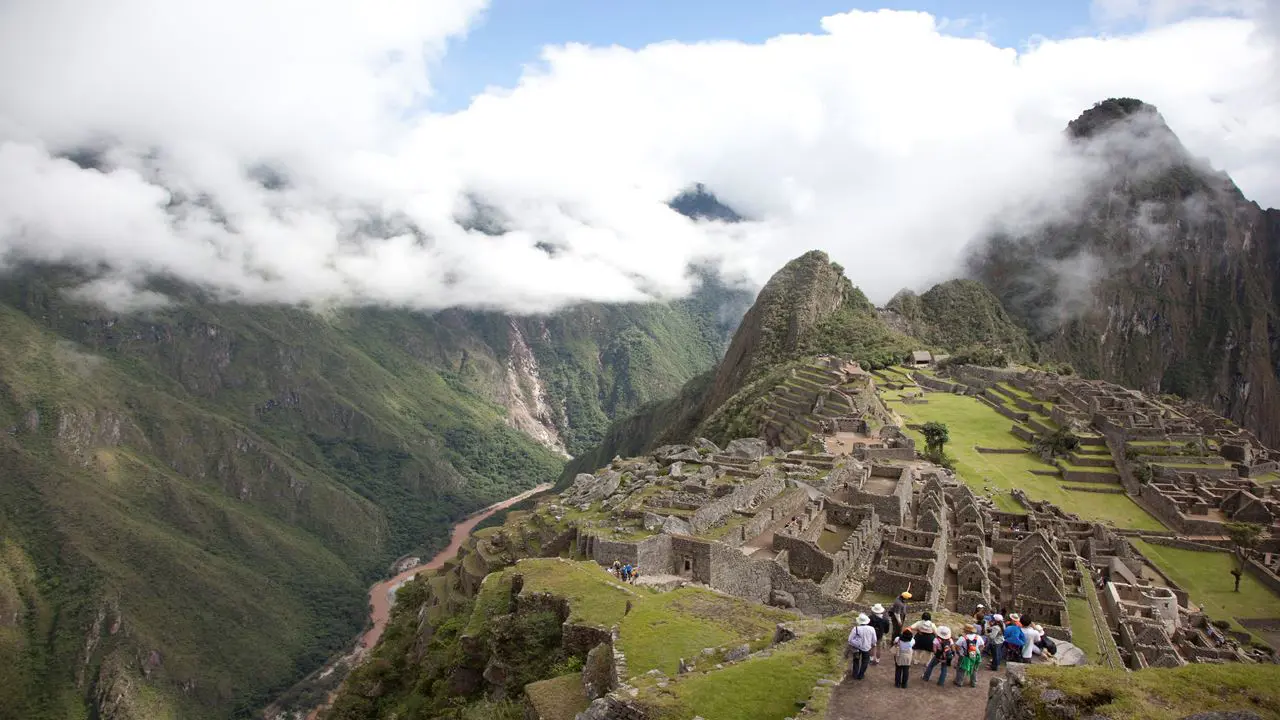
1. The urgency of the tickets: Tickets to Machu Picchu
A trip to Machu Picchu is a must-do during your visit to Cusco, but it's not something you can just wing. As one of the most protected destinations in the world, the logistics require careful planning.
It is important to check the availability of Machu Picchu tickets before purchasing airline tickets or booking hotels in the region.
How far in advance should you book tours to Machu Picchu?
You should buy your tickets 3 to 5 months in advance , especially if you're traveling during peak season (May to September). If you plan to climb mountains, this window can be extended to 6 months in advance .
The best way to guarantee your income is to book a day trip to Machu Picchu from Ollantaytambo . Avoid sold-out spots and confirm your transfers and guide.
What are the ticket prices to Machu Picchu?
Ticket prices depend on the visitor's country of origin and the archaeological site. It's important to note that official tickets are very limited. They sell out months in advance and are subject to extremely strict entry times.
Why isn't it recommended to buy just the entrance ticket? The ticket alone doesn't guarantee a good experience. It doesn't include transportation, doesn't allow changes or refunds in case of unforeseen circumstances, and the internal routes are one-way. It's easy to miss the best spots if you're not guided.
The safest way to book your trip to Machu Picchu
To avoid confusion and guarantee your access, the most efficient option is to choose an all-inclusive tour to Machu Picchu . We'll handle official tickets securely, arrange on-time train and bus transfers, and assign you an expert guide. Everything you need!
2. What are the Machu Picchu tours and which one should I choose?
To protect the archaeological heritage in Cusco , the Ministry of Culture divides the experience into 3 official circuits and 10 accessible routes .
Circuit 1: Panoramic (Upper Zone)
It's the perfect option for those seeking the best panoramic views from the top of the complex. Here you'll find the iconic postcard photo with the citadel in the background. Explore the upper terraces, but don't enter the lower urban area or the main temples.
Route 1-A (Machu Picchu Mountain): The longest and most demanding trek to the highest peak in the area. (Difficulty: High | 3.5 to 4 hours)
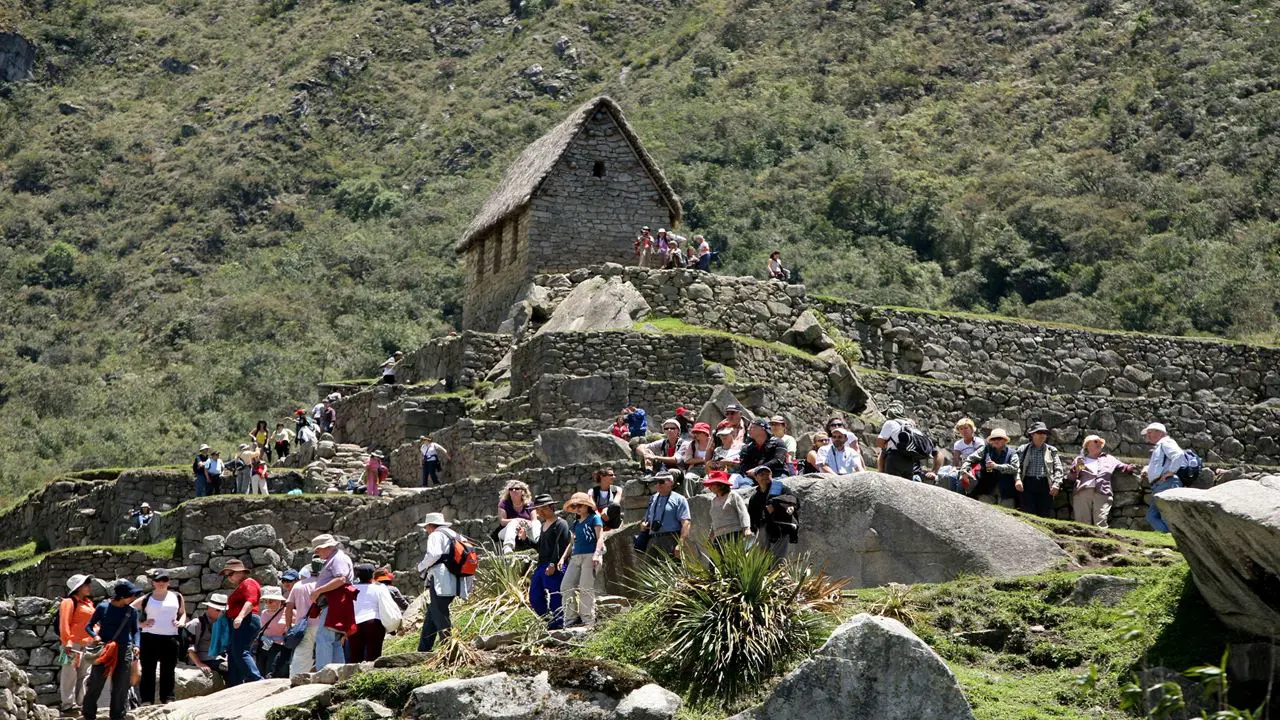
Route 1-B (Upper Terrace): The direct route to the Guardian's House for the classic photo. Ideal for travelers with less physical stamina. (Difficulty: Easy | 1.5 to 2 hours)
Route 1-C (Intipunku Gate / Sun Gate): Allows you to walk to the original entrance of the Inca Trail . (Only during peak tourist season in Peru) .
Route 1-D (Inca Bridge): Short trail along the cliff edge to the ancient defensive wooden bridge used by the Incas. (High season only) .
Circuit 2: Classic (The Complete Citadel)
This is the best Machu Picchu tour for first-time visitors . It offers the perfect balance: classic photos from the viewpoints and guided walks among the most famous plazas and stone structures. It's divided into two archaeological options (both take about 2.5 hours):
Route 2-A (Classic Designed): The quintessential historical tour. Includes the main viewpoint and stops at the Temple of the Sun, the Sacred Plaza, the Intihuatana (sundial), the Sacred Rock, and the mystical Temple of the Condor .
Route 2-B (Lower Terrace): Follows the same route through the urban area, but starting from the lower terraces of the complex.
Circuit 3: Of the Royalty (Low Zone and Mountains)
This route only covers the lower section, where the residences of the Inca elite and sacred sites are located. It doesn't ascend to the high viewpoints , but it's the essential circuit for trekking enthusiasts who purchase tickets that include summit access.
Route 3-A (Huayna Picchu Mountain): The most sought-after adventure route. Ascend the steep stairs of the pointed mountain. (Requires booking 3-4 months in advance) .
Route 3-B (Designed Royalty): The most accessible and shortest flat circuit, ideal for traveling to Machu Picchu with children or seniors . Visit the Inca House and the Water Mirrors.
Route 3-C (Great Cavern): A challenging hike that descends towards the back of Huayna Picchu to discover the Temple of the Moon. (Only in high season) .
Route 3-D (Huchuy Picchu Mountain): Short and easy climb to the small hill next to Huayna Picchu. (1 hour journey) .
Which one to choose? If it's your first time and you want the traditional experience and to take the classic photo, Circuit 2 is your best option. If you're looking for a more challenging hike, opt for Circuit 1-A or Circuit 3-A.
Differences between Llaqta, Huayna Picchu and Machu Picchu Mountain
Knowing the true difference between Machu Picchu and Huayna Picchu will define the level of physical exertion of your day:
The Llaqta of Machu Picchu: This is the Inca citadel itself (the urban stone valley). It is explored on foot via stairs and terraces of easy to moderate difficulty.
Huayna Picchu: This is the steep, green mountain that appears behind the citadel in all the photos. The ascent is almost vertical, includes the famous "steps of death," and is not suitable for people who suffer from vertigo .
Machu Picchu Mountain: This is the highest peak, located on the opposite side of Huayna Picchu. It offers a longer hike with a consistent and wide slope, ideal for a monumental aerial view of the entire Vilcanota River canyon.
Is it mandatory to hire a guide in Machu Picchu?
Yes, according to official Peruvian government regulations, entry to Machu Picchu with a guide is mandatory. Official tour guides (registered in Cusco and Aguas Calientes) manage groups with a strict limit on the number of people per tour.
3. How to get from Cusco to Machu Picchu? Routes and mandatory transport
There is no direct road connecting the historic capital of the Inca Empire with the sanctuary. Therefore, determining how to reach this destination requires both road and rail transport.
The 3 stages of the bimodal route (Bus + Train)
Section 1: From Cusco to Ollantaytambo (Land Transport): You travel by bus, shared taxi, or private transfer from the center of Cusco. You go to the Ollantaytambo train station in the Sacred Valley of the Incas . (Duration: 1.5 to 2 hours) .
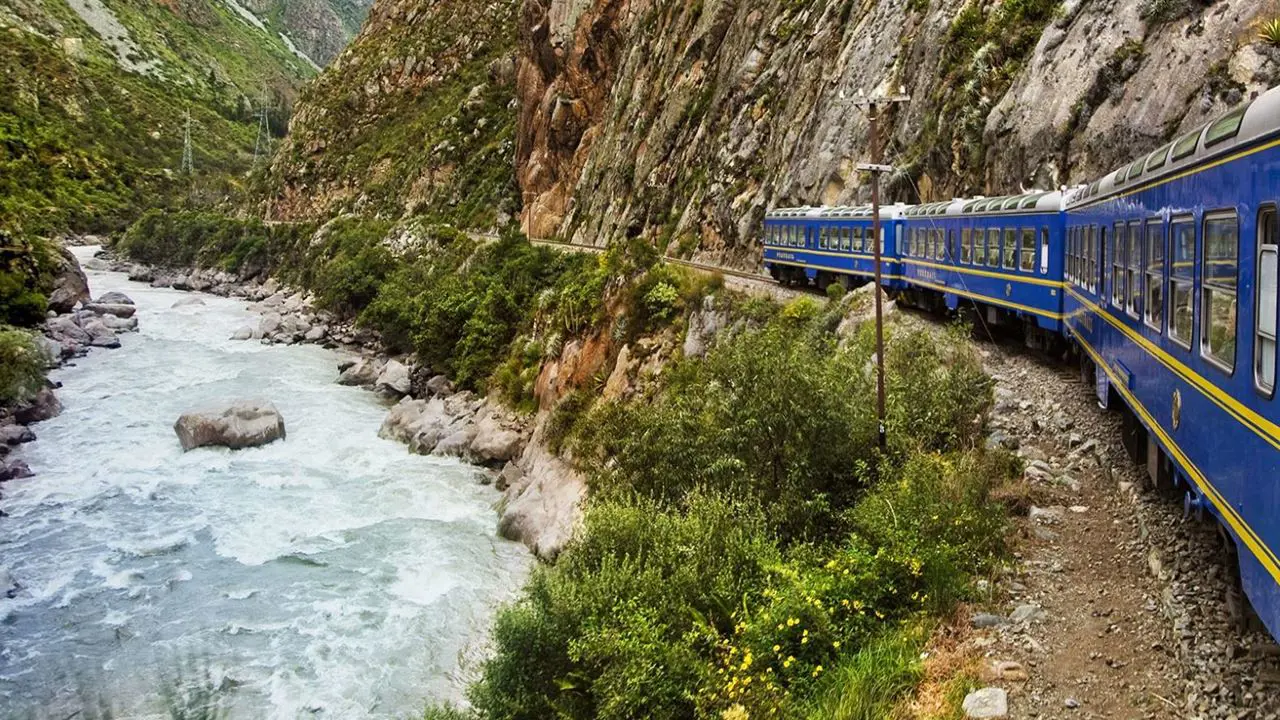
Section 2: The train to Aguas Calientes (Rail Transport): You board the train that travels through the Urubamba River canyon until you reach the town of Aguas Calientes. (Duration: 1.5 hours) .
Section 3: The Consettur Eco-Bus (Ascent to the Citadel): From the town of Aguas Calientes, board the eco-buses. It travels up Hiram Bingham Highway to the entrance gate of the archaeological citadel. (Duration: 30 minutes) .
Which train to take? From regular service to super luxury
For the rail leg, you can choose between two great experiences:
Regular and Panoramic Trains (Vistadome / 360°): These are the most popular options. They feature glass roofs for enjoying the Sacred Valley, onboard music, and cultural shows with traditional dances and alpaca parades.
Hiram Bingham (Super Luxury) : An exclusive Belmond train themed around the 1920s. It offers a premium all-inclusive experience with gourmet lunch and dinner, an open bar, live music shows, and an open-air observation car.
Luggage restrictions and alerts on the train
The railway companies PeruRail and Inca Rail apply a very strict policy on the luggage allowed on the train to Machu Picchu .
Each passenger is only allowed one piece of hand luggage weighing no more than 5 kg (11 lbs) . What about large suitcases? Large suitcases must be left in storage at your hotel in Cusco or at the Ollantaytambo station warehouses.
Explore the Inca Trail to Machu Picchu with this two-day tour
Inca Trail or day trip by train?
Depending on your experience level and the amount of time you have in Peru, there are two ways to approach this adventure:
Adventure Trekking (Inca Trail): Hiking enthusiasts often choose the Inca Trail (in its classic 2- or 4-day versions). It's a historic hiking route that enters the monument through the Sun Gate (Intipunku) . Note: Reservations are required many months in advance as spaces are very limited.
Day trips (Full Day Machu Picchu): The vast majority of travelers choose the one-day Machu Picchu tour with a combination of transportation. This tour begins with a departure from your hotel in Cusco to explore the archaeological complex and returns to the city in the evening.
4. Best time to travel to Machu Picchu and how to avoid altitude sickness
Climate in Cusco: Dry Season vs. Rainy Season
The Peruvian jungle and the Andes mountain range present climate and altitude challenges that you should be aware of to avoid health problems.
Dry season (May to September): The best time to travel to Machu Picchu . It offers consistently sunny days and clear skies, although the volume of tourists is very high and the nights in the city of Cusco are cold.
Rainy season (November to March): The landscapes are lush and green and rates are more affordable, but the weather is unpredictable. Waterproof ponchos and trekking boots with good traction are essential for the wet stone steps. (Note: The Inca Trail closes for maintenance in February.)
How to avoid altitude sickness in Machu Picchu?
Although altitude sickness is a common concern, a key fact is that the city of Cusco is at 3,400 meters above sea level . The citadel of Machu Picchu is located at a lower altitude (2,430 meters above sea level) . Therefore, the risk decreases when descending to the archaeological park.
Expert acclimatization strategy: Arrive in Cusco, spend a day there acclimatizing, eat lightly, and stay well hydrated. On your way to the Sacred Valley (Urubamba or Ollantaytambo) or in Aguas Calientes , chew some herbs and/or follow the guides' instructions. This will allow your body to gradually acclimatize before undertaking strenuous hikes at altitude.
5. Packing list: What to pack in your carry-on backpack for Machu Picchu
To enter the archaeological park in Cusco , you must comply with the official regulations:
Original passport: Physical document required for entry along with the printed ticket. Photos and copies are not accepted.
Reusable bottle: Single-use plastics are prohibited in the citadel. Please bring your own reusable bottle.
Personal protection: Mosquito repellent, sunscreen and a light rain poncho (the weather is very changeable).
Footwear: Trekking shoes or sports shoes with good grip for uneven stone steps.
Large backpacks: Those exceeding 40 x 35 x 20 cm are prohibited. (Paid lockers are available at the entrance).
Common trekking poles: These are only permitted if they have rubber tips and are intended for seniors or people with reduced mobility. Metal tips are prohibited because they damage the rocks.
Book this 3-day Cusco and Machu Picchu City Tour package . Experience the best of Peru without any hassle!
Basic tips: Water, signal, plugs, and money
Drinking water: Tap water throughout Peru is not safe to drink . Buy bottled water to refill your reusable water bottle.
Connection and signal: There is good coverage in Aguas Calientes (Machu Picchu Pueblo) . Inside the ruins, the mobile signal is very unstable due to the mountains.
Electrical outlets: The voltage is 220V . Hotels accept both American flat (Type A) and European round (Type C) plugs. Bring a power bank because the cold weather drains your phone quickly.
Money and cash: The official currency is the Sol (S/) . Avoid exchanging currency in Aguas Calientes because the exchange rate is unfavorable; do so at exchange bureaus in the city of Cusco . Carry cash in coins and small bills to pay for restrooms, tips, and handicrafts.
Do you have any questions about your trip to Machu Picchu?
If you're planning your vacation and want to visit Cusco and Machu Picchu, or find out more about transfers, hotels, or rates, contact us! We'd love to help you plan your next adventure in Peru.
By: Hasbleidy Julieth Chacón – Web Content Creator for Daytours4u.com
Published by Daytours4u.com on 18/08/2026


