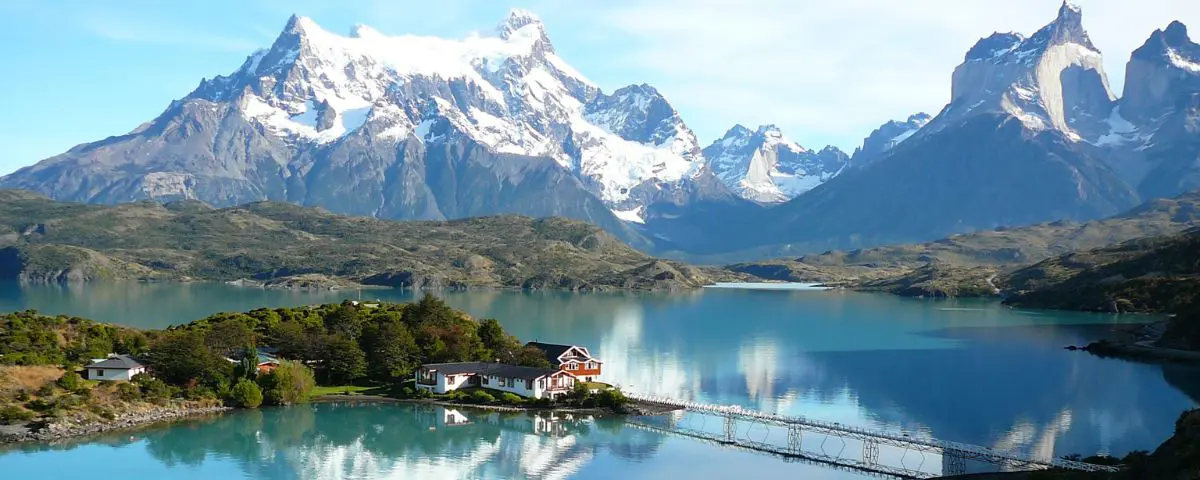
Planning a trip to Chilean Patagonia is a fantastic experience, but the complex logistics of its trails and its weather can raise many questions. Avoid the most common traveler mistakes, discover how to secure access, optimize travel time, and choose the best type of adventure. Explore one of the natural wonders of the world with this guide.
Key Information for Your Trip to Torres del Paine
Tickets: They can only be purchased online before traveling on the official CONAF platform; there are no physical ticket offices in the park.
Connectivity: There is no mobile signal in the park. Satellite Wi-Fi in the shelters is not free and is limited.
Drinking water: The water from the park's rivers and waterfalls is 100% pure and safe to drink; you just need a reusable bottle.
Extreme weather: Winds reach 100 km/h, changing the perceived temperature from 15°C to 0°C in minutes. Layered clothing is mandatory.
Transportation: Public buses have rigid schedules that limit walking. Organized tours optimize time and guarantee daily return trips.
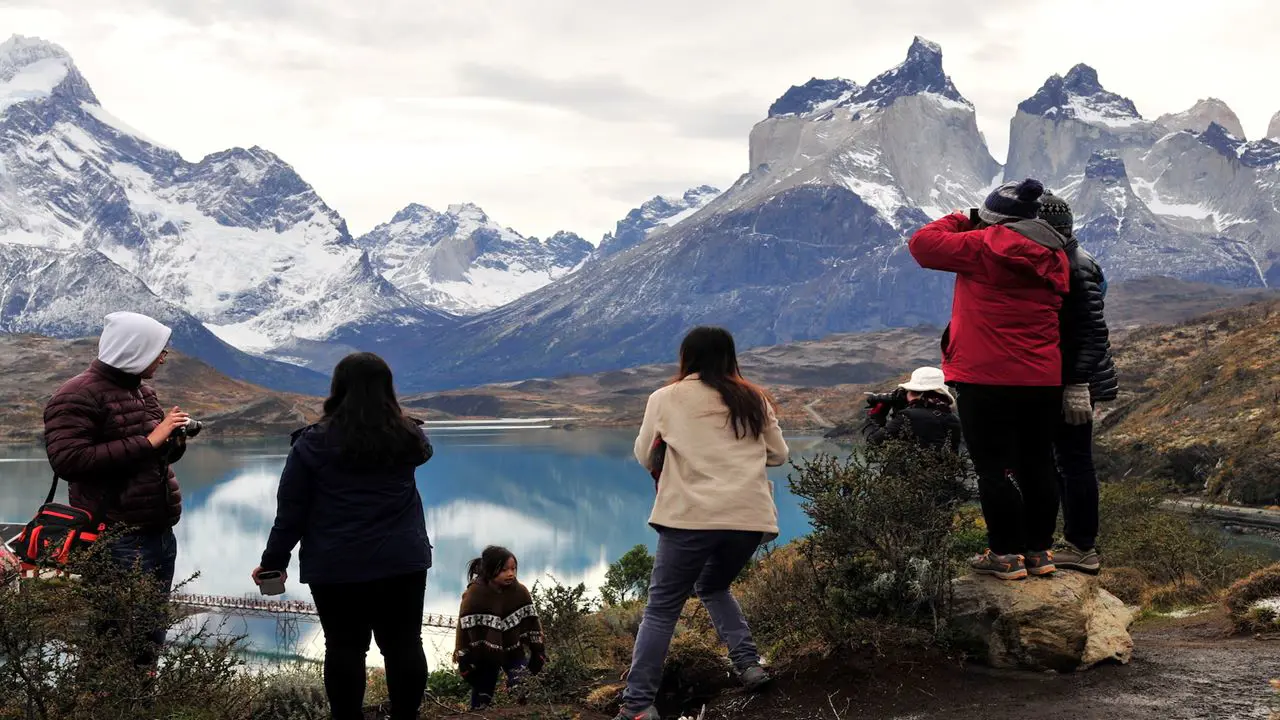
1. Plan your trip to Torres del Paine National Park
How to buy tickets to Torres del Paine and avoid fines
To purchase tickets to Torres del Paine correctly and avoid fraud, you must visit the National Forestry Corporation's website at pasesparques.cl before starting your trip. There are no physical ticket sales at the park entrances.
Travel tip: Download the QR code to your phone and make sure it's available offline. You won't have mobile data service at any of the access gates (Laguna Amarga, Sarmiento, or Pudeto).
Torres del Paine National Park Fees
The entrance fee to Torres del Paine depends on the route and circuit you choose . Make sure you declare and pay the correct fee for your trip. Avoid delays, fines, or being denied access by park rangers at the checkpoints.
Full Day / Base Torres: Valid for day trails, main viewpoints and the trek to the Base Torres viewpoint.
Circuit W: Mandatory requirement for overnight stays on the classic route (Southern mountain valleys).
Paine Massif Circuit (O): Extended pass that authorizes the complete circuit of the massif (North face and John Gardner Pass).
Best time to travel to Torres del Paine: Summer, autumn or winter?
The climate in Chilean Patagonia is key to your trip. The geography of the massif creates extreme microclimates: summer reaches highs of 20°C, while winter drops below 0°C.
Spring and Summer (October to April): This is the best time to visit Torres del Paine . You'll enjoy long days with more than 16 hours of sunlight, warmer weather, and trails (like the W and O Circuits) open.
Autumn and Winter (May to September): Low season. Snowy landscapes and few tourists, but most shelters and internal transport close.
2. How to get to Torres del Paine? The step-by-step route
To enter Torres del Paine National Park, the most efficient route combines a commercial flight to the Magallanes Region and a subsequent ground transfer. Here's the ideal logistical itinerary:
Step 1: The Flight (Santiago to Punta Arenas or Puerto Natales): Fly from Santiago, Chile. If you find availability, fly directly to Teniente Julio Gallardo Aerodrome in Puerto Natales (this saves a lot of time). The classic option is to fly to Presidente Carlos Ibáñez del Campo Airport in Punta Arenas .
Step 2: Connecting Bus to Puerto Natales (Only from Punta Arenas): If you land in Punta Arenas, you must take a bus from the airport or bus terminal. The journey to Puerto Natales takes approximately 3 hours.
Step 3: From Puerto Natales to Torres del Paine National Park: From the Puerto Natales Bus Terminal to the park (a 2-hour trip). Buses make key stops at the official entrances: Laguna Amarga , Pudeto , and the Administration building .
How to get around inside Torres del Paine?
Once inside the park, your mobility depends on the type of trip you're taking (whether you're visiting for the day or doing trekking circuits). The three official transportation options are:
1. Internal Shuttle Buses: These operate regularly to connect the checkpoints with the trails. The most common shuttle connects the Laguna Amarga gate with the Las Torres sector, the starting point for the trek to Base Torres. This service is paid to the driver in cash (Chilean pesos).
2. Patagonian Ice Catamaran (Pehoé Lake Crossing) This boat is for those hiking the W Circuit or visiting the French Valley. It connects the Pudeto area with the Paine Grande campsite. No prior reservation is required; tickets are purchased on board, and the journey takes about 30 minutes.
3. Private transfers from hotels: Booking your private transfer to Torres del Paine from El Calafate is one of the most efficient options. Organized services begin by picking you up at your hotel early in the morning.
3. How much does it cost to travel to Torres del Paine and how can you save money?
The budget for Torres del Paine varies depending on your travel style. Patagonia has a reputation for being an expensive destination, but good planning can help reduce costs.
Backpacker: $50 - $80 USD per day - Camping with own equipment, food bought at supermarket and transport by public bus.
Comfort: $150 - $300 USD per day - Bed in shelter or campsite with tent set up, full board and some guided day tour.
Premium: $500+ USD per day - Luxury hotels in or near the park, high-end private tours and gourmet dining.
Practical tips for saving money in Patagonia:
Book your camping option months in advance. Renting just your tent space is the cheapest way to sleep within the W or O circuits.
Bring your own food from Puerto Natales. Stores inside the park sell snacks, meals, and cooking gas at prices up to three times higher than in town. Stock up before you leave.
Travel during the transition seasons: October or April offer slightly lower accommodation rates and cheaper domestic flights than in the middle of summer.
Cash vs. Card in Torres del Paine: How much money should you bring?
Where can I use a card? Larger refuges (like Central, Paine Grande, or Grey) accept international cards (Visa and Mastercard) for bar or store purchases. However, in bad weather, satellite internet may go down and payment terminals may stop working.
Where is cash needed? You need to carry Chilean Pesos (CLP) in small denominations. Use them for expenses such as the bus to Laguna Amarga, tips, emergency purchases at remote campsites, or the catamaran ticket to Lago Pehoé.
4. Trekking in Torres del Paine: Choose your adventure option
The Great Circuits: W Circuit, self-guided or guided
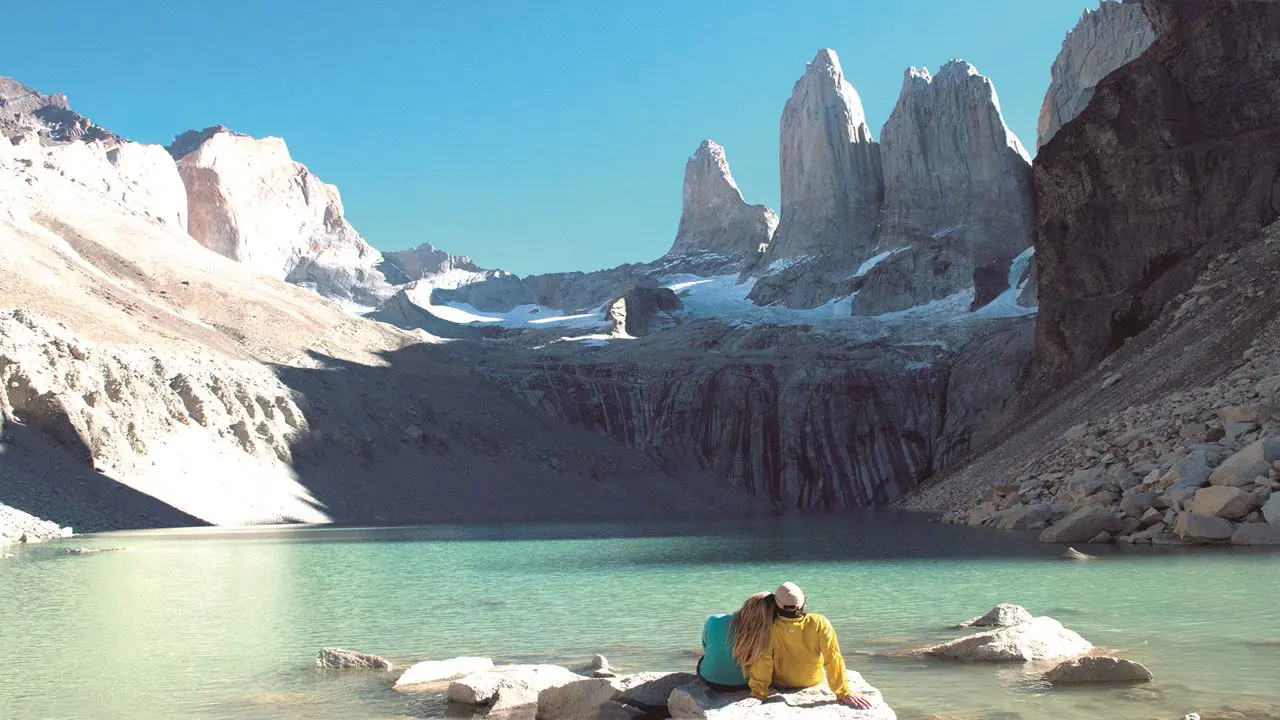
If your goal is to complete the classic W Circuit in Torres del Paine , you should know that this 4- to 5-day trek requires good planning.
Independent option: Requires booking shelters and campsites 4 to 6 months in advance. Carrying your gear, setting up your tent, and cooking your own food are all part of this adventure.
Guided option: Frees you from booking on multiple private platforms. Provides the security of walking with a guide who manages the pace according to the changing Patagonian weather.
For those who don't want to camp: Full Day Excursions
If you prefer the comfort of a hotel, dining at local restaurants, and don't want to carry heavy luggage, the Torres del Paine Full Day Tours are your ideal option. You'll visit iconic landmarks such as:
The viewpoints of Lake Nordenskjöld .
The imposing waterfalls of Salto Grande .
The Pehoé Lake area and the direct views of the majestic Cuernos del Paine.
Trekking Base Torres: Actual Difficulty and Equipment
The trail to the main viewpoint is the most popular, but many underestimate its difficulty. The Base Torres trek is rated as High/Challenging . It's not a walk in the park; it requires preparation.
Total distance : 22 kilometers (round trip)
Positive elevation gain: 800 meters
Average duration: 7 to 9 hours of total walking
Critical section: The last hour runs over a moraine of giant, loose rocks with a steep slope.
Travel tip: If you have no prior experience in high-altitude terrain, the best option is to book a guided tour to Base Torres . You'll have the support of local professionals who will manage the pace and ensure your safety.
5. Technical Preparation: What clothes to bring to Torres del Paine?
Layered Clothing Checklist
Base layer (Second skin): Thermal shirt and tights made of synthetic materials (polyester/nylon) or merino wool. Their sole function is to wick away sweat and keep the skin dry.
Second layer (Insulation): A thick fleece jacket or a lightweight down jacket. It helps retain body heat, protecting you from the cold environment.
Third layer (Outer protection): A waterproof and windproof jacket with a technical membrane (such as Gore-Tex or similar). This is vital to withstand unexpected rain and the fierce gusts of Patagonian wind.
Mandatory equipment for the route
High-top hiking boots: Essential for providing stability and protecting your ankles from sprains on rocky terrain.
Adjustable trekking poles: Ideal for reducing the impact on the knees during descent and maintaining balance on the ascent.
Lightweight daypack (20 to 30 liters): To carry your water, trail rations (food) and the layers of clothing you take off.
6. The Best Excursions in Torres del Paine with Advance Booking
Sailing on Grey Glacier: How to secure your spot
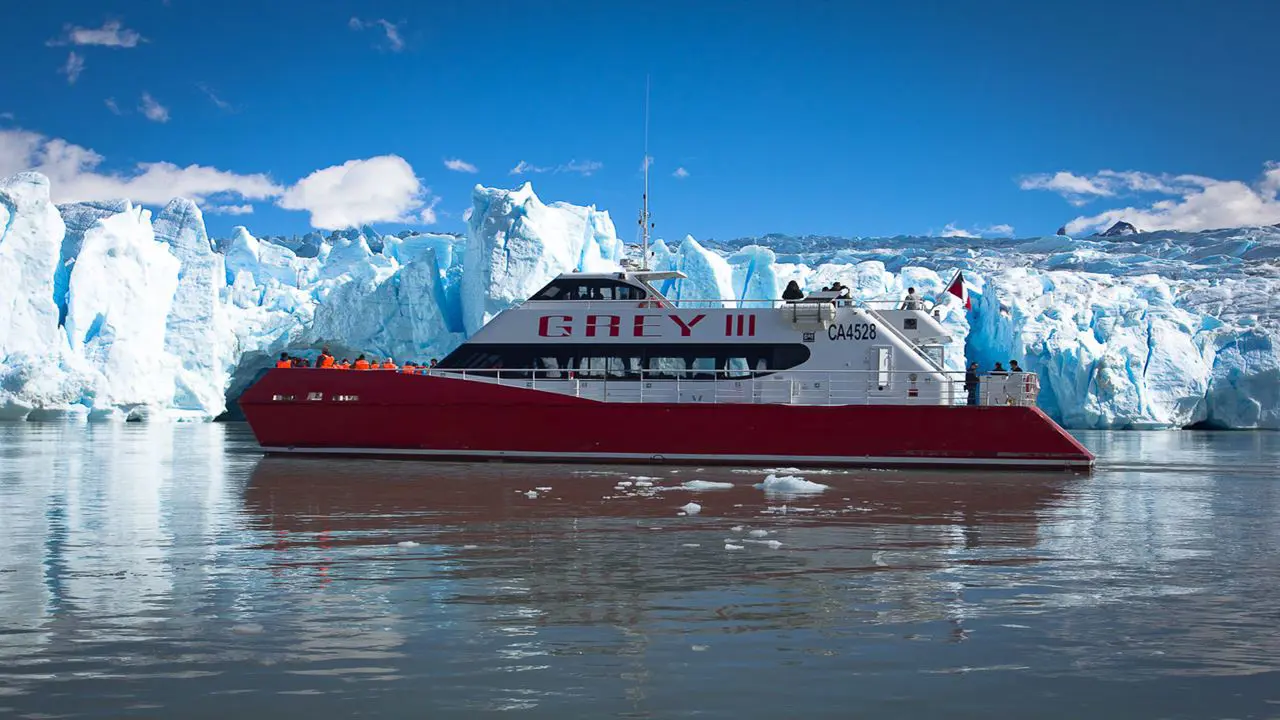
The star attraction of the park's western sector is undoubtedly everything related to the imposing Grey Glacier . This area offers three highly sought-after adventure levels with limited spaces. These are shared with hikers on the longer circuits (W and O):
Catamaran Cruise: Takes you in a safe vessel just meters from the blue ice walls. You can secure your place by booking the Grey Lake Cruise on the Grey III Catamaran in advance.
Ice Trekking: For the most adventurous. If you're looking to put on crampons and explore the deep crevasses of the ice giant, you should opt for Ice Trekking on Grey Glacier .
Ice Kayaking: An immersive experience paddling very close to the floating icebergs. Check availability here for Ice Kayaking on Grey Glacier .
Torres del Paine excursions from El Calafate, Argentina
You can cross from El Calafate to Torres del Paine using three types of full-day excursions. They handle all customs formalities for you.
4x4 Truck Adventure: Ideal for those seeking a dynamic experience crossing the Patagonian steppe off the beaten track. Learn more about the Torres del Paine Day Tour by 4x4 .
Classic Van Tour: The traditional and most balanced option for visiting the park's main viewpoints, departing early in the morning. You can book the classic Torres del Paine tour from El Calafate here.
Premium Express Flight: For travelers with limited time or seeking maximum comfort, avoiding hours of road travel. One option is the Premium Airplane Flight to Torres del Paine , which offers aerial views of the massif.
7. Where to stay in Puerto Natales and lifestyle
The Historic and Commercial Center. You are steps away from tourist agencies, technical clothing rental shops, Patagonian lamb restaurants and supermarkets to stock up.
The waterfront (facing the Señoret Canal). This is where the design and boutique hotels are located. They offer unique views of the water and distant glaciers.
Mountain hostels: A great option for backpackers. They're the ideal place to meet other travelers, share information about trail conditions, and coordinate shared transportation.
Connectivity and useful information: What are the Wi-Fi and power outlets like?
1. The myth of Wi-Fi in mountain huts. Cell phone signal is nonexistent on the trails. Private mountain huts offer paid satellite Wi-Fi internet access (through networks like WCircuit ) in their common areas. Rates range from $4 to $8 USD for short blocks of time; the speed is slow and only suitable for basic text messaging.
2. Electrical Outlets and Power in Patagonia. Throughout Chile, including Puerto Natales and the park, the standard voltage is 220 V at a frequency of 50 Hz. Electrical outlets use Type C and Type L plugs . Bring one or two high-capacity power banks . Store them in your sleeping bag at night; the extreme cold will drain the lithium cells even if you don't use your phone.
Did you have any questions about your trip?
If you're planning your trip to Chile and want to know more about transfers, hotels, or rates, contact us! We'd love to help you plan your next adventure in Chilean Patagonia .
By: Hasbleidy Julieth Chacón - Web Content Creator for Daytours4u.com
Published by Daytours4u.com on 18/08/2026


