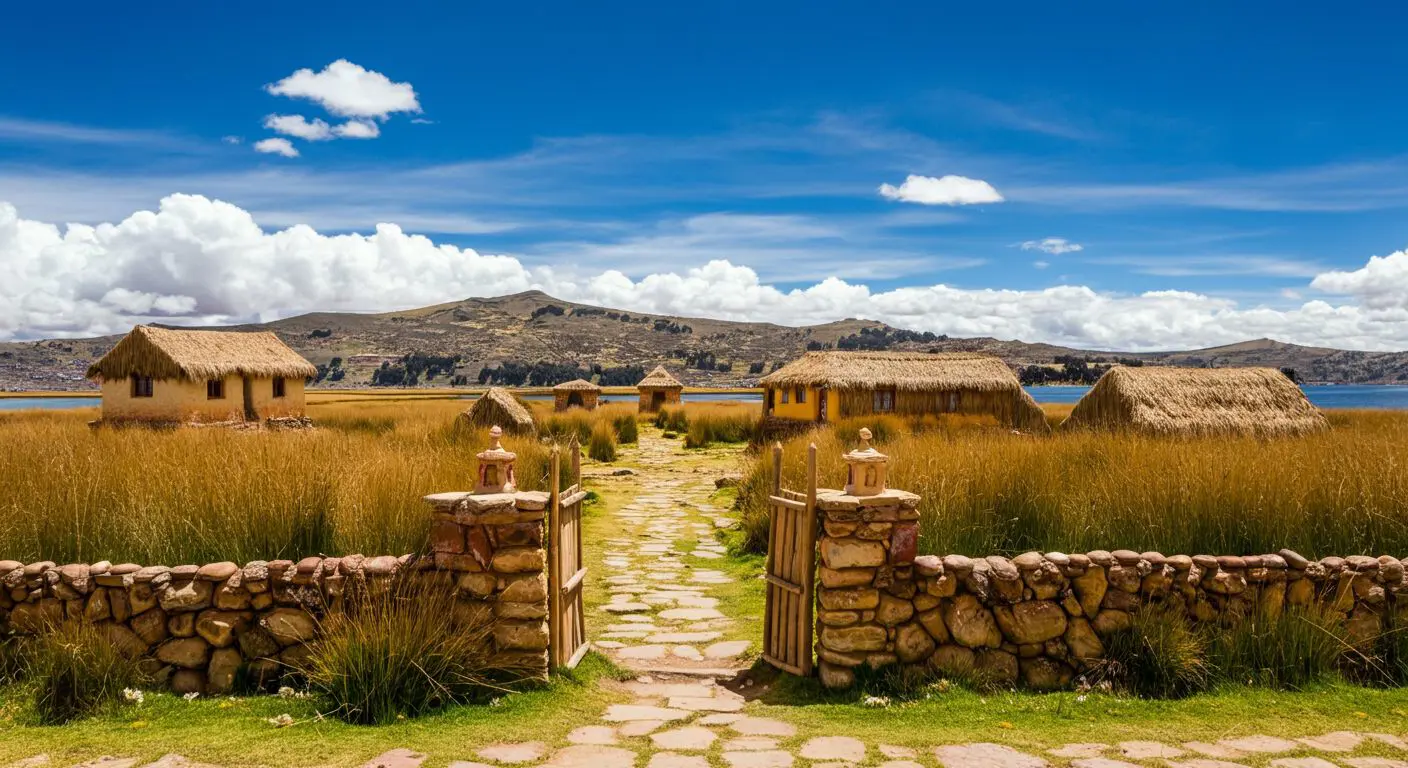
Complete Guide to Visit Lake Titicaca from Puno, Peru
Lake Titicaca, located between Peru and Bolivia, is much more than a geographical wonder—it's the spiritual heart of the Andes. From the city of Puno, the main gateway to Lake Titicaca Peru, visitors can join unforgettable tours to the floating islands of the Uros, Taquile Island, Amantani Island, and other unique destinations. Sitting at an impressive altitude of 3,812 meters (12,507 ft), this navigable lake not only offers stunning landscapes but also deeply authentic cultural encounters. In this guide, we’ll show you what to do in Lake Titicaca, how to get there, how long to stay, and why it’s worth including in your southern Peru itinerary.
Why is Lake Titicaca so important?
As the highest navigable lake in the world, Lake Titicaca holds immense cultural, historical, and ecological value. According to Inca tradition, it’s the legendary birthplace of Manco Cápac and Mama Ocllo, founders of the Inca Empire.
On its islands, especially Amantani and Taquile, local communities still practice ancestral traditions such as handwoven textiles, reed-boat fishing, and terraced farming. The lake is also home to unique species like the giant Titicaca frog and native Andean birds, making it an essential high-altitude ecosystem.
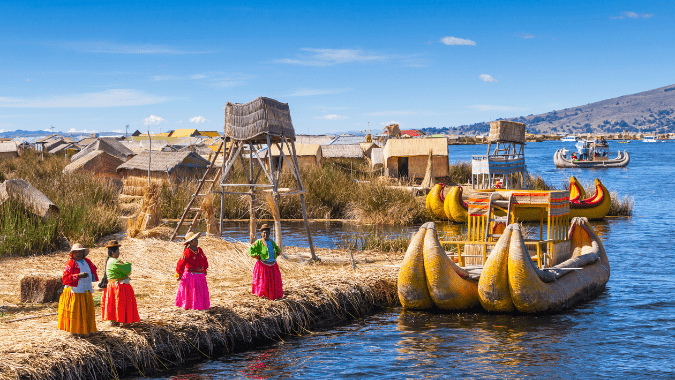 The traditional floating islands of the Uros, built with totora reeds, are one of the main attractions on Lake Titicaca tours from Puno / Photo: Andrey Khrobostov
Where is Lake Titicaca and how to get there?
Lake Titicaca lies in the high Andean plateau at 3,812 meters above sea level, straddling the border between Peru and Bolivia. Its location makes it a key stop when connecting travel routes between Cusco, Arequipa, La Paz, and Juliaca.
- From Cusco: 6–8 hours by bus or overnight train. You can also fly to Juliaca and continue to Puno by land.
- From Lima: Direct flight to Juliaca (approx. 1h40), then transfer by taxi or shuttle to Puno (45–60 minutes).
- From La Paz: Overland route via Copacabana Lake Titicaca. You can cross the border by bus or book a Lake Titicaca tour from La Paz.
What to Do in Lake Titicaca: Unmissable Activities
Explore the Uros Floating Islands
One of the most popular Lake Titicaca tours is the visit to the Uros floating islands. These unique platforms are built using totora reeds, a native plant that grows on the lake. Local families will show you how they build their homes, fish, and preserve this ancient lifestyle rooted in the lake’s traditions.
Visit Taquile Island on Lake Titicaca
Taquile Island is famous for its fine handwoven textiles and self-sustaining way of life. Walking along its cobbled paths lets you admire scenic landscapes and get a closer look at the daily life of the locals. The food is simple and delicious: fresh trout, quinoa, native potatoes, and a hot herbal tea made with muña leaves.
Homestay on Amantani Island: A Deep Cultural Experience
Spending the night on Amantani Island is one of the most immersive Lake Titicaca homestay experiences. Local families open their homes and share their routines, meals, and traditional festivities with visitors. This is ideal for those seeking meaningful, community-based travel and a direct connection with local culture.
Active Experiences in Lake Titicaca: Kayaking, Fishing & Water Biking
Wondering what activities you can do in Lake Titicaca besides classic boat tours? Below are some active and cultural experiences perfect for travelers who want a more unique and local perspective:
- Kayaking on Lake Titicaca: Paddle your way through quiet reed channels and enjoy breathtaking views. You can join early morning or sunset excursions to reach peaceful spots away from tourist boats—perfect for nature lovers.
- Water biking: An original and eco-friendly way to navigate the lake. These floating bikes allow you to glide effortlessly over calm waters, especially near the Uros floating islands.
- Traditional fishing: Join local fishermen on small wooden boats and learn ancestral techniques to catch species like Andean trout or silverside. Some tours even include cooking the catch and enjoying a fresh lakeside lunch.
- Birdwatching and Andean wildlife: Lake Titicaca is home to a rich variety of aquatic birds, such as flamingos and grebes. Some kayaking routes or short nature walks offer close encounters with native fauna.
- Totora reed boat ride: Available in certain communities, this slow and peaceful sailing experience lets you appreciate the lake's natural beauty while engaging with living traditions.
Viewpoints, Beaches & Relaxing Walks
Beyond the classic boat tours, there are lesser-known spots around Lake Titicaca like the Titicaca Viewpoint, Rosario lookout, or Chifrón Beach in Capachica. These are perfect places to enjoy panoramic views or unwind at the end of the day.
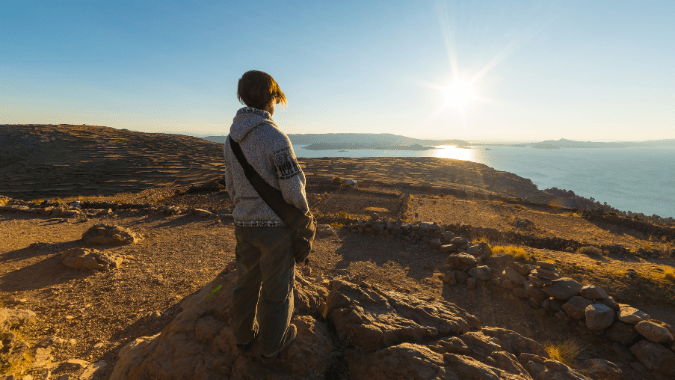 Sunset view from Amantani Island, where visitors can enjoy a genuine community tourism experience. / Photo: fbxx
Suggested Itineraries: How Many Days Do You Need in Lake Titicaca?
- Lake Titicaca full-day tour: Visit Uros + Taquile from Puno (ideal if you’re short on time).
- 2 days / 1 night in Puno: Includes a homestay in Amantani or Taquile.
- 3 or more days: Allows time for Lake Titicaca tours from La Paz, Copacabana, Isla del Sol, and nearby destinations.
Where to Stay in Lake Titicaca Peru?
- In Puno: Hotels like Sonesta Posadas del Inca, GHL Lake Titicaca, and Casa Andina offer comfort and great lake views.
- On the islands: Community-based accommodations are available on Taquile and Amantani, ideal if you want to enjoy an authentic Amantani homestay experience.
Where to Eat in Lake Titicaca: Typical Dishes & Local Recommendations
The cuisine of the Andean highlands is simple, hearty, and based on local ingredients like potatoes, quinoa, trout, and muña herbs. If you're wondering where to eat in Puno or on the islands, here are some top picks:
In Puno
- Mojsa: A traveler favorite, located near the main square. Try the grilled trout with native potatoes.
- La Casona Restaurant: Great for tasting Andean soups like chairo or quinoa stew.
- Balcones de Puno: Offers folkloric dance shows and local dishes like oven-roasted guinea pig, ají de oca, or quinoa risotto with cheese.
- Valeria: A more casual local spot with friendly service and homemade meals.
On the Islands
On Amantani and Taquile Islands, local host families often prepare homemade meals that include:
- Quinoa or oca soup
- Fried trout or silverside fish served with rice and fresh salad
- Infusions made with muña, coca, or eucalyptus—great for easing altitude sickness
In some cases, if booked in advance, you can even help prepare the food as part of the homestay experience in Lake Titicaca.
Tip: Bring cash, as credit cards are not accepted on the islands. If you have dietary restrictions, notify your guide or host in advance.
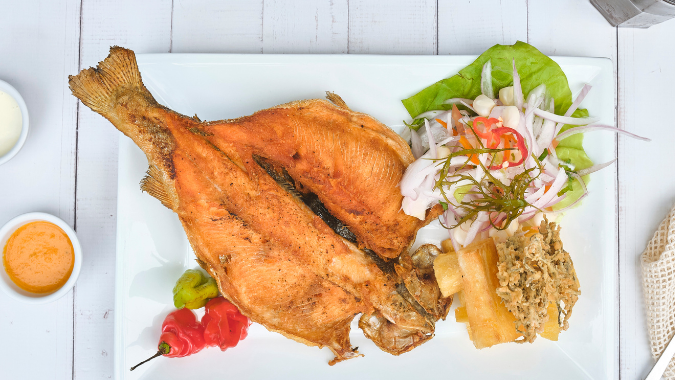 A typical Andean dish: grilled trout with native potatoes and fresh salad. You can enjoy this in Puno or on the lake’s islands. Source
Lake Titicaca Fun Facts
- Altitude: 3,812 meters (12,507 feet) above sea level
- Average depth: 140 meters
- Daytime temperature: around 13°C (55°F)
- Location: Shared by Peru and Bolivia
- Legends: Some parts of the lake hide submerged ruins and myths of lost cities
Tips for Your Trip to Lake Titicaca
Visiting Lake Titicaca requires some planning, especially due to its high altitude and the rural setting of many activities. Here are some practical recommendations to help you prepare:
What to Pack for Lake Titicaca
- Warm layered clothing: temperatures vary greatly between day and night
- Comfortable walking shoes for dirt or cobbled paths
- Sun hat, sunglasses, and sunscreen: UV radiation is intense at high altitude
- Reusable water bottle and snacks for longer excursions
- Cash in soles: cards are not accepted on the islands
- Personal medications and altitude sickness pills (consult a doctor before traveling)
General Travel Recommendations
- Arrive at least one day early to acclimatize before doing strenuous activities
- If staying with a local family, bring a small useful gift (like a notebook or flashlight)
- Respect local customs: ask before taking photos and follow your guide’s instructions
- Wear sun protection even on cloudy days
These travel tips apply whether you're doing a Lake Titicaca full-day tour from Puno or staying several days on the islands. Being well-prepared will help you enjoy the experience and better connect with local life.
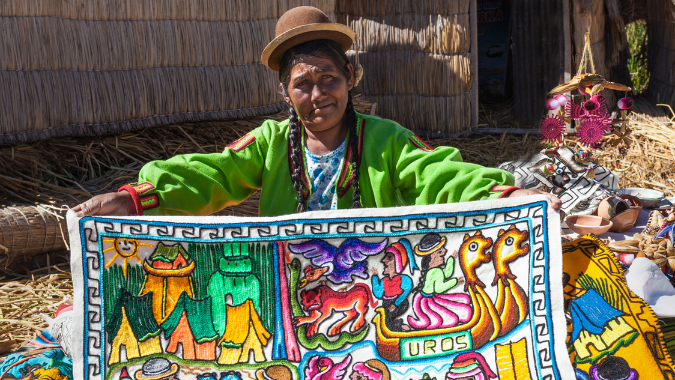 Local artisan weaving on Taquile Island, famous for its textiles, which have been declared Intangible Cultural Heritage by UNESCO. / source
Frequently Asked Questions (FAQ)
What activities can you do at Lake Titicaca?
Boat tours, kayaking, fishing, short hikes, cultural visits, and rural homestays.
How many days do I need to visit Lake Titicaca?
Recommended: 2 days. Ideal: 3 days with an overnight stay on Amantani or Taquile Island.
When is the best time to visit Lake Titicaca?
May to October (dry season): sunny days, low rainfall, mild winds.
Which islands should I visit on Lake Titicaca?
Uros, Taquile, Amantani (Peru), and Isla del Sol (Bolivia).
How to visit the islands of Lake Titicaca?
Through organized tours departing daily from Puno.
How much does a Lake Titicaca tour cost?
From $25 USD per person for a full-day tour. 2-day packages start around $60 USD.
Book Your Lake Titicaca Tour
At Daytours4u, we offer a range of Lake Titicaca tours and experiences in collaboration with local communities. Choose a one-day excursion or a multi-day experience with overnight stays on Amantani Island.
Explore our options and book your Lake Titicaca tour from Puno today. Enjoy an authentic, safe journey that supports sustainable tourism in the Andes.
Published by Has Chacon on 03/06/2026


