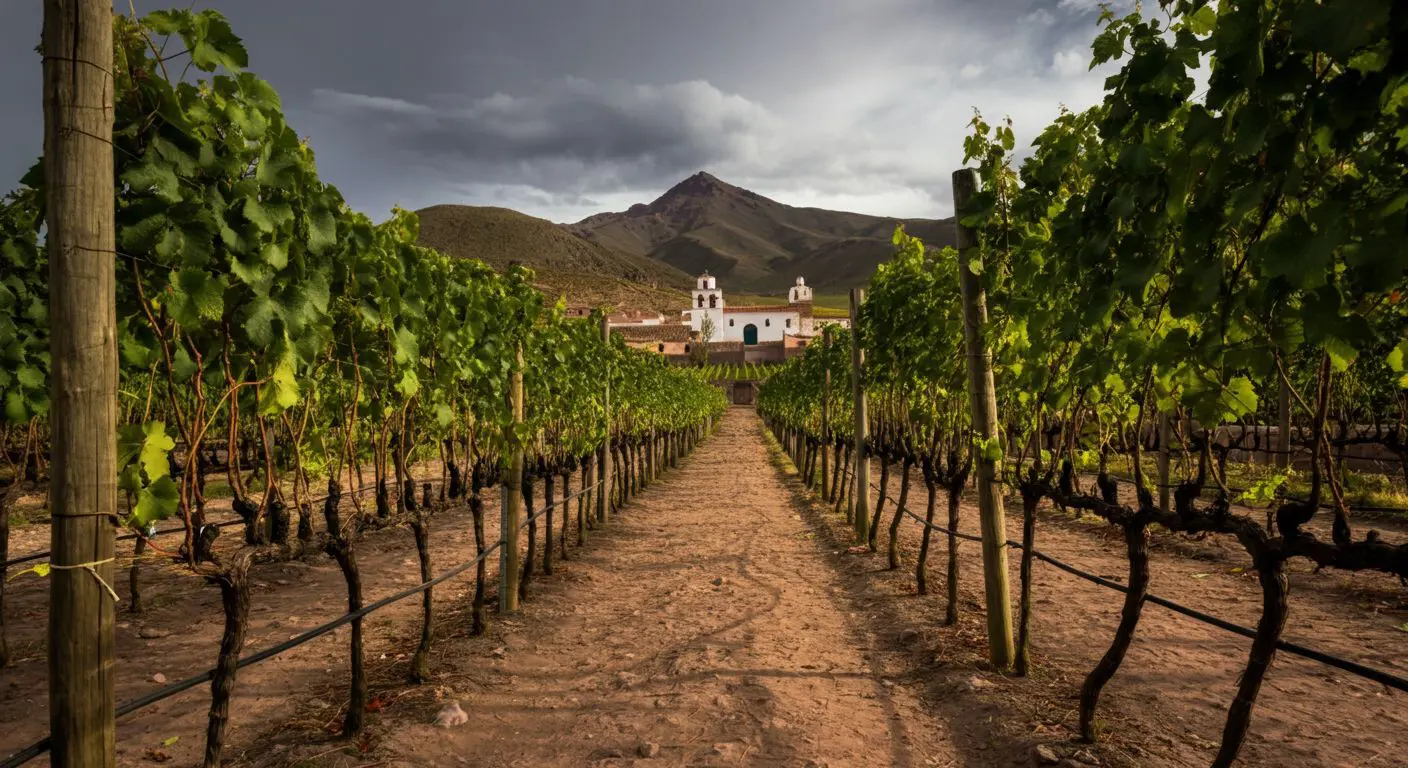
What to do in Salta in 3 days: an itinerary through mountains, wines, and Andean culture.
Nestled among reddish hills, high-altitude vineyards, and villages where time seems to have stood still, Salta enchants visitors with its blend of history, landscapes, and traditions. In three days, it's possible to explore its main attractions, savor its cuisine, and experience the authentic essence of northern Argentina.
Below is a complete 3-day itinerary to discover Salta, balancing culture, nature, and genuine experiences.
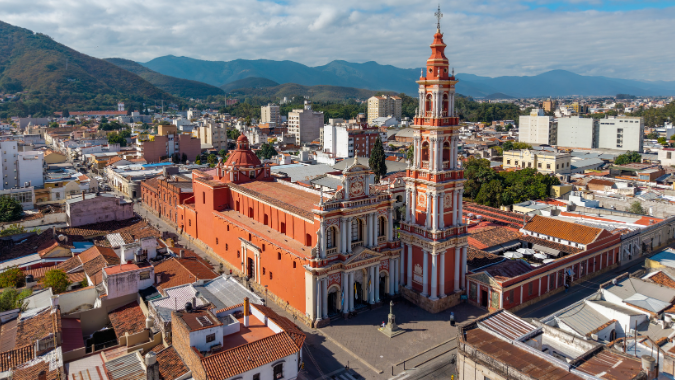 The Cathedral Basilica illuminates the heart of Salta at dusk. A stroll through Plaza 9 de Julio encapsulates the colonial elegance and tranquil rhythm of "Salta la Linda".
Day 1 – Salta capital: history, flavors and folk music
The ideal starting point for exploring northern Argentina is Salta, the capital city, where the colonial past, Andean culture, and modern life coexist in perfect harmony. Its cobblestone streets, wooden balconies, and tree-lined squares invite leisurely strolls.
Morning – Historical circuit and viewpoints of the city
The best way to start the day is with a walking tour of the historic center . Everything is concentrated within a few blocks of Plaza 9 de Julio , the heart of the city.
Suggested itinerary:
- Plaza 9 de Julio: surrounded by colonial galleries, it's the most photogenic spot in the city center. Sit on a bench under the orange trees and watch the locals with their traditional wide-brimmed hats — a typical scene of everyday life in Salta.
- Salta Cathedral Basilica: its pink and gold facade shines in the morning light. Inside, rest the remains of General Güemes, hero of Argentine independence.
- Historic Cabildo: just a few meters away, this white building with arches was the seat of the colonial government. Today it houses the Historical Museum of the North , with pre-Hispanic and republican-era artifacts.
- Museum of High Altitude Archaeology (MAAM): one of the most impressive in the country. It houses the famous Llullaillaco Boys , three Inca mummies found at an altitude of over 6,000 meters.
- Calle Caseros: Head east along this charming street, lined with old houses and craft shops. Along the way, you'll see the Church of San Francisco , with its vibrant red and gold, and the Convent of San Bernardo , one of the oldest buildings in the city.
Photo tip: From Plazoleta IV Siglos , on the corner of Caseros and Buenos Aires streets, it's possible to capture a panoramic view of the colonial towers framed by the mountains.
Viewpoint of Cerro San Bernardo
For a complete view of the city, take the cable car up Cerro San Bernardo , which departs from Parque San Martín, about a 10-minute walk from the center. From the top, you can admire Salta's urban layout surrounded by green mountains and fertile valleys.
At the top there are trails, viewpoints and stalls selling handcrafted ceramics and fabrics typical of the valley's villages.
Lunch – Local Flavors at the San Miguel Market
As you descend the hill, the air fills with the aroma of freshly baked empanadas and humitas (steamed corn puree). It's the perfect time to visit the San Miguel Market , one of the most traditional places among the people of Salta.
Among stalls selling fruits, spices, and colorful Andean blankets, local cooks serve traditional dishes in ceramic bowls, with that homemade flavor that only northern Argentina has:
- Empanadas salteñas golden in the clay oven.
- A hearty locro , prepared with corn and sausage.
- Cooked tamales wrapped in corn husks.
Where to try the best empanadas in Salta:
- Doña Salta: located across from the main square, with a colonial atmosphere and traditional recipes.
- La Criollita: simpler and more authentic, with the clay oven in plain sight.
- El Patio de la Empanada (B° Portezuelo): off the beaten tourist track, but very popular with locals.
Afternoon – San Lorenzo, the green refuge of Salta
Just 15 minutes from the center, the village of San Lorenzo offers a natural and invigorating contrast. It's a small oasis surrounded by yunga forests, with trails lined with ferns and the tranquil sound of the river.
It is possible to go on guided hikes, horseback riding tours, or visit the Quebrada de San Lorenzo Nature Reserve , home to toucans, hummingbirds, and other birds typical of the region.
For a relaxing late afternoon, Café del Tiempo or the terrace of Hotel Selina Salta are great options for enjoying a coffee or drink while watching the golden sunset over the mountains.
Evening – Peñas and folk music
When night falls, Salta fills with guitars, drums, and joy. The peñas folclóricas — houses of music and traditional food — are part of the city's soul and are a must-see for anyone who wants to have an authentic experience.
- La Casona del Molino: shared tables, musicians improvising, and a totally local atmosphere.
- La Vieja Estación: more structured, with live shows and regional dishes.
- Peña Balderrama: a cultural icon that inspired famous zamba songs in Argentine folklore.
A glass of Torrontés wine and a zamba played on the guitar are enough to understand why this city is called "Salta la Linda".
👉 Book your Salta City Tour here
Day 2 – From Salta to Cafayate: Wine Route and Quebrada de las Conchas
The second day invites you to leave the city behind and head towards the Calchaquí Valleys , a region where the reddish hues of the desert blend with the green of the vineyards. The road to Cafayate , along National Route 68 , is one of the most scenic journeys in northern Argentina—three and a half hours of pure Andean beauty.
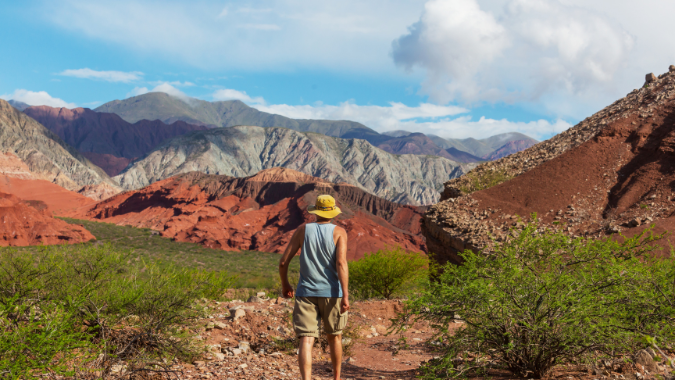 Reddish rock formations and constant wind: the Quebrada de las Conchas reveals some of the most impressive landscapes in northern Argentina, with stops such as the Amphitheater and the Devil's Throat.
Quebrada de las Conchas – The red heart of the valley
As the car drives away from Salta, the landscape changes completely. The fertile fields of the Lerma Valley give way to bare mountains and red rock formations that look as if sculpted by another planet. This is the Quebrada de las Conchas , a canyon of intense colors shaped by centuries of wind and erosion.
Must-see stops:
- Devil's Throat: a deep crevice between reddish rock walls. Inside, the echo of the wind sounds like an ancient whisper of the mountains.
- The Amphitheater: a natural cave with perfect acoustics, where local musicians often play zambas and Andean songs that echo off the stone walls.
- Los Castillos and Las Ventanas: rock formations that resemble castles and natural fortresses. The contrast between the blue sky and the red of the rocks is irresistible for anyone who loves photography.
- Mirante Tres Cruces: panoramic stop overlooking a valley that opens up in shades of gold and ochre, perfect for photos.
Travel tip: To enjoy the trip without worrying about the winding roads, book the Cafayate Tour with wine tasting from Daytours4u. It includes transportation, a local guide, and strategic photo stops in the Quebrada.
In Cafayate – The soul of high-altitude wine
Upon arriving in Cafayate , the air becomes drier and fragrant with the scent of ripe grapes. This small village, surrounded by mountains and vineyards, is the heart of Argentina's high-altitude wine region , cultivated between 1,600 and 2,000 meters above sea level.
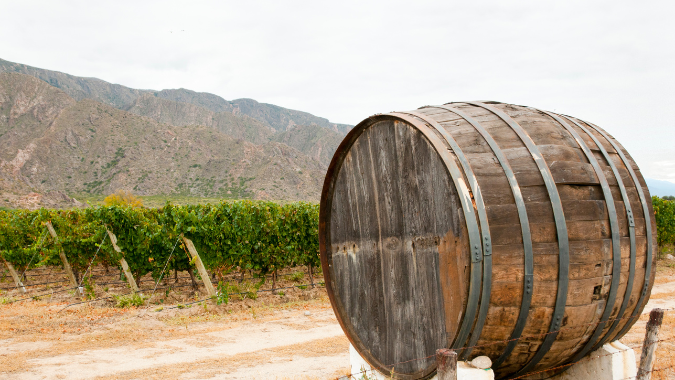 Nestled among high-altitude vineyards and golden mountains, Cafayate produces the famous Torrontés wine — a symbol of northern Argentina and the Salta Wine Route.
What to do in Cafayate:
- Visit wineries: from traditional ones, like Bodega El Esteco (with colonial architecture and lavender gardens), to modern ones, like Piattelli Vineyards , with a panoramic restaurant and spectacular views of the hills.
- Sample the Torrontés: a white grape typical of northern Argentina, with a floral aroma and fresh flavor. Many wineries offer guided tastings with goat cheese and dried fruit.
- Explore the historic center: the main square is surrounded by craft shops, old churches, and charming cafes, perfect for relaxing in the calm rhythm of the countryside.
- Visit the Vine and Wine Museum: a sensory experience that shows how the dry climate and altitude create wines that are unique in the world.
👉 Book your day trip to Cafayate here
Lunch among the vineyards and the traditional "siesta"
In Cafayate, lunch is almost a ritual. Restaurants combine regional ingredients with breathtaking mountain views.
- Bodega Nanni: a pioneer in organic wines, with a wine-pairing menu and a patio shaded by grapevines.
- Piattelli Restaurant: gourmet cuisine with regional dishes and a wide view of the valley.
- El Terruño or La Casa de las Empanadas: simple and authentic options to try quinoa empanadas, tamales, or goat roasted in a clay oven.
Tip: After lunch, be sure to try the artisanal Torrontés wine ice cream or the cayote ice cream with walnuts at Heladería Miranda — a typical Cafayate delicacy.
👉 Book your High Altitude Wine Tour in Cafayate here
Day 3 – Cuesta del Obispo and Cachi: high-altitude landscapes and giant cacti
The final day of the Salta itinerary is a true journey through the clouds. The road to Cachi — a colonial gem hidden in the Calchaquí Valleys — combines adventure climbing the mountains with the tranquility of a village that seems frozen in time.
Panoramic road – Cuesta del Obispo and Los Cardones National Park
Leaving Salta via Provincial Route 33 , the road first crosses the green of the Lerma Valley before climbing the mountains. As altitude increases, the curves become more pronounced and the mist blends with the peaks—this is the Cuesta del Obispo , one of the most beautiful stretches in the entire region.
At the Piedra del Molino viewpoint , at an altitude of 3,400 meters, the air is light and cool. From there, the valley stretches out like a golden carpet, with blue mountains in the background — a perfect setting to feel the immensity of the Andes.
A few kilometers further on lies Los Cardones National Park , a high-altitude desert where thousands of centuries-old cacti—some over six meters tall—stand like guardians of time. The road cuts through the Tin Tin Valley , an ancient Inca trail that still retains its original layout.
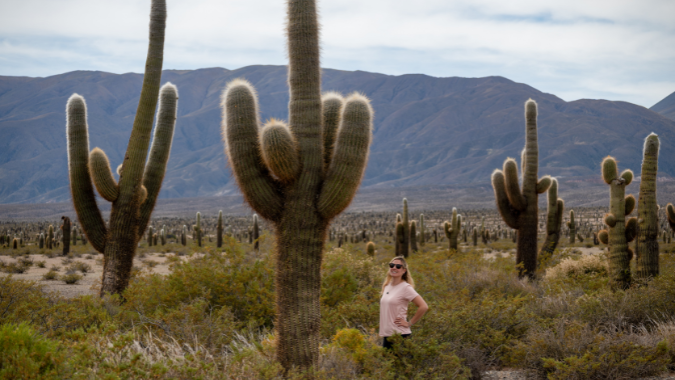 Thousands of centuries-old cacti rise under the Andean sun in Los Cardones National Park — a unique landscape of the Salta highlands.
In Cachi – Colonial charm and mountain serenity
Upon arriving in Cachi , the atmosphere changes. The cobblestone streets, lined with white adobe houses and wooden doors, lead naturally to Plaza 9 de Julio , the heart of the town.
There you'll find the Church of San José , built in the 18th century with a roof made of cardón (giant cactus) wood, and the Pío Pablo Díaz Archaeological Museum , which displays artifacts from the pre-Hispanic history of the valleys.
From the plaza, the view of Nevado de Cachi , with peaks over 6,000 meters, dominates the horizon.
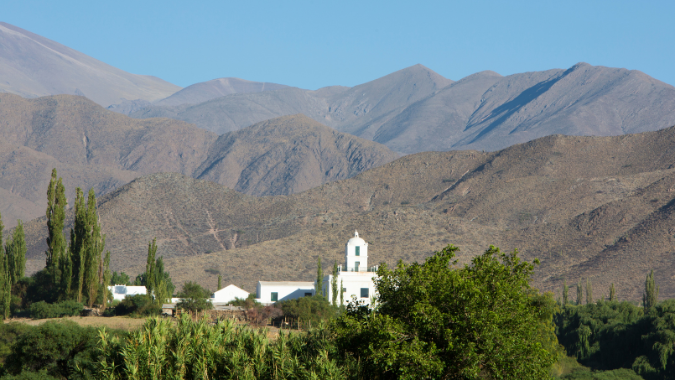 Cobblestone streets, white houses, and the Nevado de Cachi in the background — a scene that encapsulates the colonial charm of northern Argentina.
Where to eat in Cachi:
- La Merced del Alto: an elegant restaurant with mountain views and refined regional dishes (great for lunch).
- Oliver Wine Bar: perfect for a glass of local wine and a platter of artisanal cheeses.
- Viracocha Café or Nevado Bar: simple and welcoming options for a coffee or snack in the square.
👉 Book your day trip to Cachi here
Practical tips to get the most out of Salta.
- Best time to visit: March to May or September to November (pleasant weather and clear skies).
- Altitude: Cachi and Cafayate are above 2,000 m; stay well hydrated and avoid heavy meals.
- Typical foods: empanadas salteñas, tamales, locro, and Torrontés wine.
- Recommended souvenirs: ponchos, ceramics, spices, and handicrafts made from cardón (cactus) wood.
- Transportation: renting a car or booking tours is the best way to make the most of your time.
Three days to fall in love with northern Argentina.
Salta is more than a destination — it's an immersion into the essence of northwestern Argentina. In just three days, it's possible to feel its history, taste its flavors, and get lost among landscapes that look like paintings.
From the colonial alleyways to the valley's vineyards, every corner invites you to return.
Discover the best tours in Salta with Daytours4u and enjoy authentic experiences with expert local guides.
Published by Hernan Garriga Zimmermann on 03/06/2026


