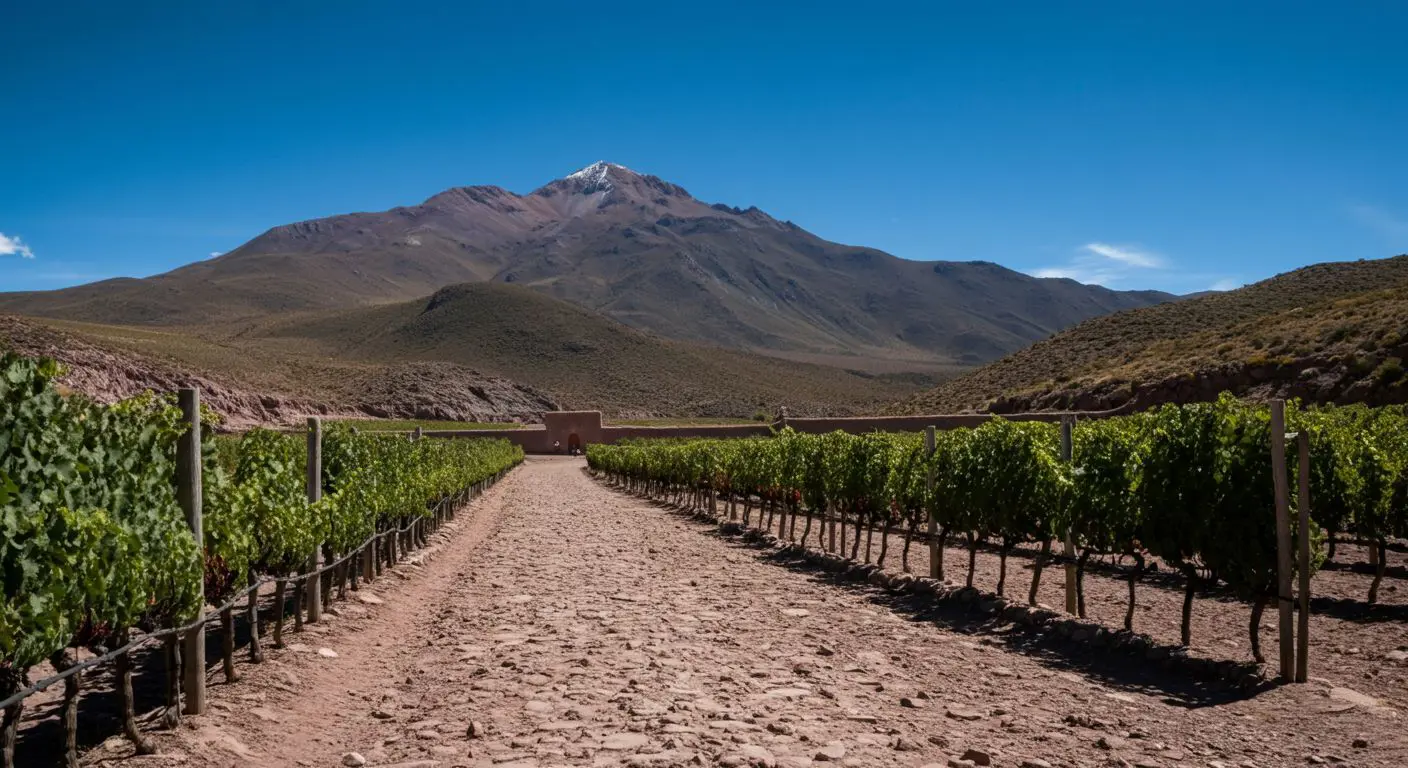
What to do in Salta in 3 days: an itinerary through mountains, wine and Andean culture
Nestled among reddish hills, high-altitude wineries, and villages where time seems to stand still, Salta blends history, landscapes, and tradition. In three days, you can explore its must-see sights, savor its cuisine, and experience the essence of northern Argentina.
Below is a complete 3-day itinerary to discover Salta with a balance between culture, nature and authentic experiences.
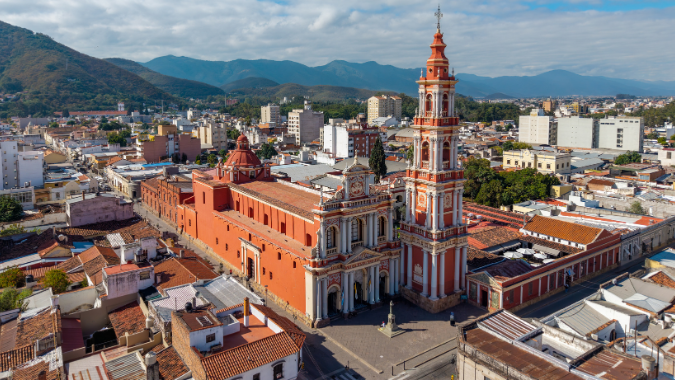 The Cathedral Basilica illuminates the heart of Salta at sunset. A stroll through Plaza 9 de Julio encapsulates the colonial elegance and tranquil rhythm of "Salta la Linda" (Beautiful Salta).
Day 1 – Salta capital: history, flavors and folk music
The ideal starting point for exploring northern Argentina is Salta , a city where colonial history, Andean culture, and modern life coexist harmoniously. Its cobblestone streets, wooden balconies, and plazas shaded by tipa trees invite you to stroll at a leisurely pace.
Tomorrow – Historical tour and views of the valley
The best way to start is by taking a walking tour of the historic center . Everything is concentrated within a few blocks of Plaza 9 de Julio , the heart of the city.
Suggested itinerary :
- Plaza 9 de Julio: surrounded by colonial arcades, it's the most photogenic spot in the city center. Sitting on a bench under the orange trees and watching the locals stroll by in their wide-brimmed hats is part of its charm.
- Salta Cathedral Basilica: its pink and gold facade gleams in the morning light. Inside rest the remains of General Güemes, a Salta hero of independence.
- Historic Town Hall: Just a few meters away, this white building with arches was the former colonial government. Today it houses the Historical Museum of the North , with pre-Hispanic and republican artifacts.
- Museum of High Altitude Archaeology (MAAM): one of the most impressive in the country. It houses the famous Children of Llullaillaco , three Inca mummies found at over 6,000 meters.
- Caseros Street: runs east, flanked by old houses and craft shops. Along the way, you'll find the Church of San Francisco , with its striking red and gold color scheme, and the Convent of San Bernardo , one of the oldest buildings in the city.
Photo tip: From the Plazoleta IV Siglos , on the corner of Caseros and Buenos Aires, you get a panoramic view of the colonial towers framed by the hills.
San Bernardo Hill viewpoint
For a complete view of the city, the cable car to Cerro San Bernardo departs from Parque San Martín, a 10-minute walk from the city center. The view from the top allows you to appreciate the geography of the valley: the urban grid surrounded by green mountains.
At the top there are trails, viewpoints and stalls with ceramic crafts and textiles from the valley.
Midday – Local Flavors at the San Miguel Market
Descending the hill, the air fills with the aromas of freshly baked empanadas and steaming humitas. It's the perfect time to visit the San Miguel Market , a classic among the people of Salta.
Among stalls selling fruit, spices, and colorful Andean blankets, there are cooks offering typical dishes served on earthenware:
- Salteña empanadas, golden brown in a clay oven.
- Thick locro with corn and chorizo.
- Tamales wrapped in corn husks.
Where to try the best empanadas in Salta:
- Doña Salta: facing the plaza, colonial atmosphere and traditional recipes.
- La Criollita: more informal, with an oven in sight.
- The Empanada Patio (Portezuelo neighborhood): off the tourist circuit, but famous among locals.
Afternoon – San Lorenzo, the city's green respite
Just 15 minutes away, the village of San Lorenzo offers a natural contrast. It's a small oasis in the Yungas region, with trails lined with ferns and the murmur of the river.
There you can take guided walks, horseback rides or visit the Quebrada de San Lorenzo Nature Reserve , home to toucans and hummingbirds.
For a gourmet break, the Café del Tiempo or the terrace of the Selina Salta Hotel are ideal on the way back, with a view of the golden sunset over the hills.
Night – Folk music and music with guitars
When night falls, Salta fills with guitars, drums, and laughter. Folk music venues are an essential part of its identity.
- La Casona del Molino : shared tables, spontaneous musicians and an authentic atmosphere.
- The Old Station : more organized, with live shows and regional cuisine.
- Peña Balderrama : a cultural symbol that inspired famous zambas.
A glass of Torrontés wine and an impromptu zamba are enough to understand why this city is called "Salta la Linda".
👉 Book your City Tour in Salta here
Day 2 – From Salta to Cafayate: the wine route and the Quebrada de las Conchas
The second day invites you to leave the city behind and venture into the Calchaquí Valleys , a region where the desert hues blend with the green of the vineyards. The journey to Cafayate , along National Route 68 , is one of the most scenic drives in northern Argentina: three and a half hours of pure Andean landscape.
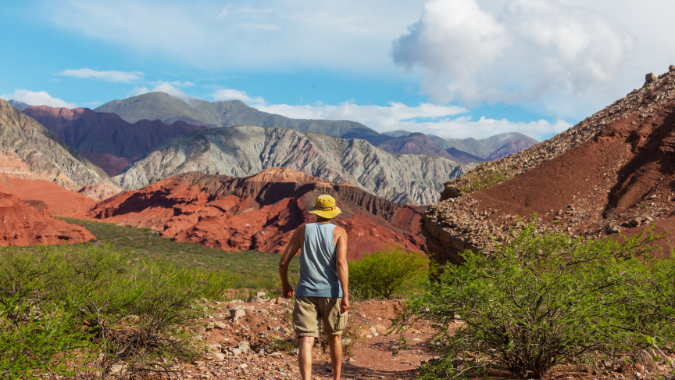 Reddish formations and eternal wind: the Quebrada de las Conchas displays one of the most impressive landscapes in northern Argentina, with stops such as the Amphitheater and the Devil's Throat.
Quebrada de las Conchas, the red heart of the valley
As the car drives away from Salta, the landscape changes. The fertile fields of the Lerma Valley give way to bare mountains and reddish formations that seem otherworldly. This is the Quebrada de las Conchas , a succession of gorges, canyons, and cliffs sculpted by centuries of wind and erosion.
Must-see stops:
- The Devil's Throat: a deep crevice between vertical walls of reddish rock. Inside, the echo of the wind resonates like an ancient whisper.
- The Amphitheater: a natural cavern with perfect acoustics, where local musicians often play zambas and bagualas that vibrate off the walls.
- The Castles and the Windows: formations that resemble natural fortresses. The contrasts between the blue sky and the red stone are irresistible to photography enthusiasts.
- Mirador Tres Cruces: a panoramic stop where the valley opens up in a mosaic of ochre and golden colors.
Traveler's tip: To enjoy the journey without worrying about the mountain curves, book the Cafayate Tour with wine tasting available at Daytours4u. It includes transportation, a local guide, and strategic photo stops in the valley.
In Cafayate – The soul of high-altitude wine
Upon arriving in Cafayate , the air becomes drier and fragrant with ripe grapes. This small town, surrounded by mountains and vineyards, is the epicenter of Argentine high-altitude wine , cultivated between 1,600 and 2,000 meters above sea level.
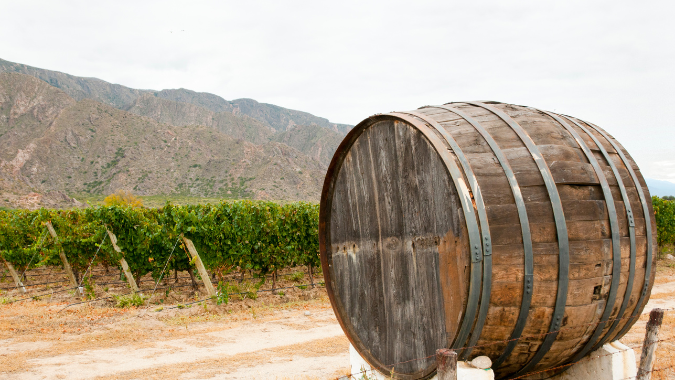 Nestled among high-altitude vineyards and golden mountains, Cafayate produces the famous Torrontés wine, an emblem of northern Argentina and a symbol of the Salta Wine Route.
Things to do in Cafayate:
- Visit wineries: from traditional ones like Bodega El Esteco (with its colonial architecture and lavender gardens) to more modern ones like Piattelli Vineyards , with a panoramic restaurant and terrace overlooking the hills.
- Savor Torrontés: the emblematic white grape variety of northern Spain, with its floral aroma and fresh flavor. Many wineries offer guided tastings accompanied by goat cheeses and nuts.
- Explore the historic center: its main square is surrounded by artisan galleries, centuries-old churches and cafes that invite you to stop at the slow pace of the town.
- Visit the Museum of Vine and Wine: a sensory and interactive experience that explains how altitude and dry climate give rise to unique wines.
👉Book your day tour to Cafayate here
Lunch among vineyards and a northern siesta
In Cafayate, lunch becomes a ritual. Restaurants combine local products with dreamy views:
- Nanni Winery: a pioneer in organic wines, with a paired menu and a patio under grapevines.
- Piattelli Restaurant: gourmet cuisine with regional dishes and an open view of the valley.
- El Terruño or La Casa de las Empanadas: simpler but authentic options, ideal for trying quinoa empanadas, tamales or goat cooked in a clay oven.
Suggestion: After lunch, an artisanal ice cream made with Torrontés wine or cayote with walnuts at Heladería Miranda is almost a must.
👉 Book your High Altitude Wine Tour in Cafayate here
Day 3 – Cuesta del Obispo and Cachi: high-altitude landscapes and giant cacti
The last day of the tour through Salta is an experience among the clouds. The road to Cachi , a small colonial gem hidden in the Calchaquí Valleys , combines the adventure of the climb with the serenity of a town frozen in time.
Scenic Route – Bishop's Slope and Los Cardones National Park
From the city of Salta, take Provincial Route 33 , which first crosses the green of the Lerma Valley before venturing into the mountains. As the road climbs, the curves multiply and the fog swirls among the hills: this is the Cuesta del Obispo (Bishop's Slope ), one of the most beautiful stretches in the entire region.
At the Piedra del Molino viewpoint , 3,400 meters above sea level, the air becomes fine and fresh. From there, you can contemplate the valley stretching out like a tapestry of golden hues, with the mountains silhouetted against a deep blue sky. It's a must-see stop to admire the immensity of the landscape and experience the silence of the high plateau.
A few kilometers further on, Los Cardones National Park opens up, a high-altitude desert where thousands of centuries-old cacti—some over six meters tall—stand like guardians of time. The road crosses the straight Tin Tin Valley, an ancient Inca trail that still retains its perfect layout.
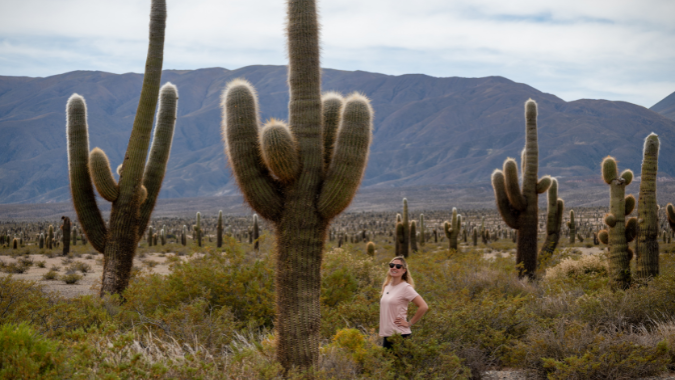 Millions of centuries-old cacti rise above the Andean desert in Los Cardones National Park, a unique postcard of the Salta highlands.
In Cachi – Colonial charm and mountain tranquility
Upon arriving in Cachi , the atmosphere changes. The cobblestone streets, lined with white adobe houses and wooden doors, naturally lead to Plaza 9 de Julio , the center of the town.
There you will find the Church of San José , built in the 18th century with ceilings made of cardon wood, and the Pío Pablo Díaz Archaeological Museum , with pieces that tell the pre-Hispanic history of the valleys.
From the plaza, the view of the Nevado de Cachi , with its peaks at more than 6,000 meters, dominates the horizon.
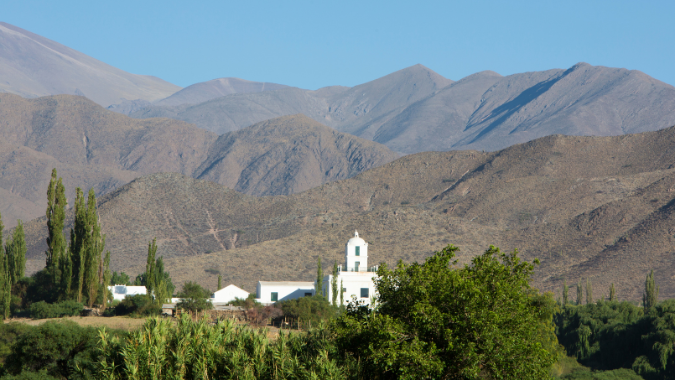 Cobblestone streets, white houses and the Nevado de Cachi in the background: this small town preserves the colonial charm and calm that defines northern Argentina.
Where to eat in Cachi:
- La Merced del Alto: an elegant restaurant with views of the hills and refined regional dishes (recommended for lunch).
- Oliver Wine Bar: ideal for a glass of local wine and a selection of artisanal cheeses.
- Viracocha Café or Nevado Bar: simple options to enjoy a snack or coffee facing the plaza.
👉 Book your day tour to Cachi here
Practical tips for enjoying Salta to the fullest
- Best time: from March to May or from September to November (mild weather and clear skies).
- Altitude: Cachi and Cafayate are over 2,000 m; stay well hydrated and eat light.
- Typical foods: Salteña empanadas, tamales, locro and Torrontés wine.
- Recommended souvenirs: ponchos, ceramics, spices, and cardon crafts.
- Transportation: renting a car or booking tours is the best way to optimize your time.
Three days to fall in love with northern Argentina
Salta is more than just a destination: it's a journey to the best of Northwest Argentina. In just three days, you can experience its history, savor its flavors, and lose yourself in landscapes that look like paintings.
From the colonial alleyways to the valley vineyards, every corner invites you to return.
Discover the best excursions in Salta with Daytours4u and live authentic experiences with expert local guides.
Published by Has Chacon on 03/06/2026


