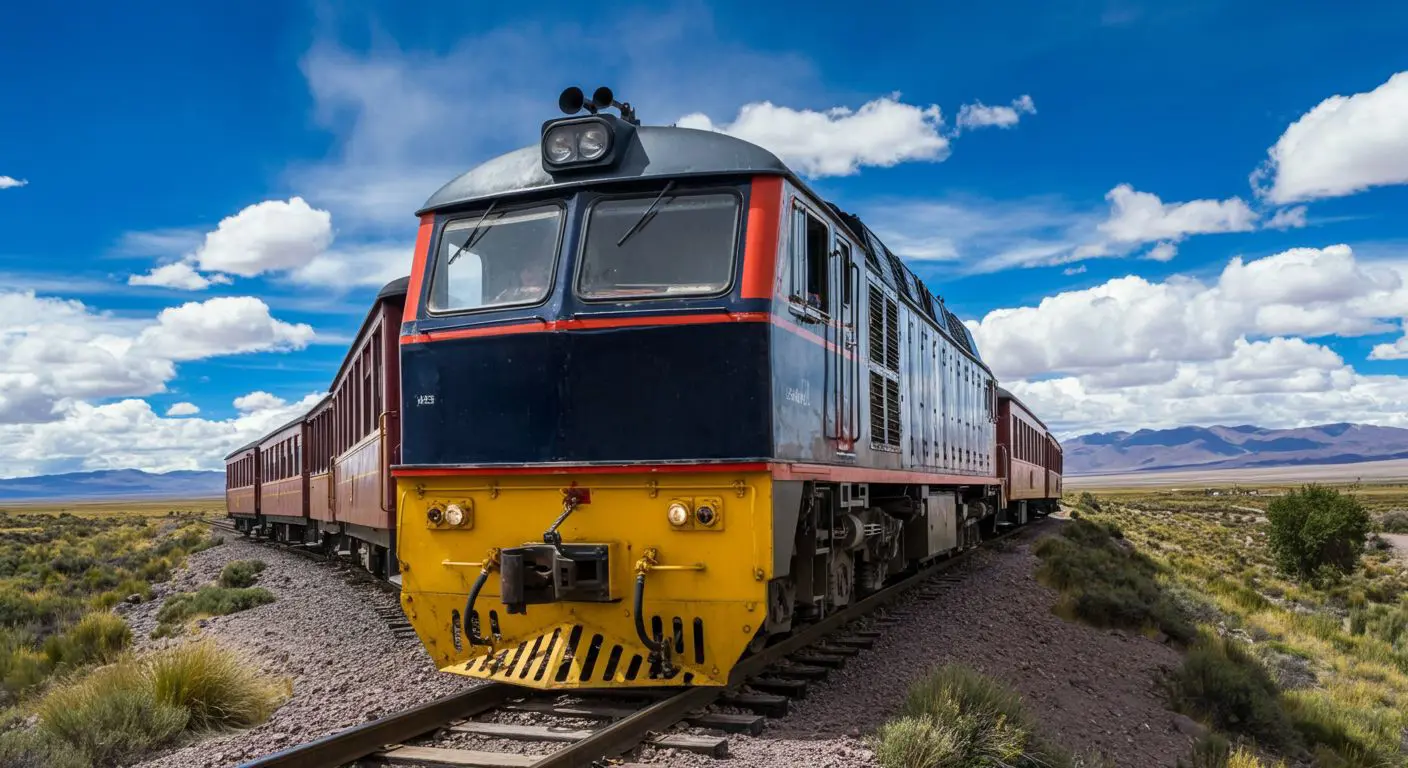
Train to the Clouds (Tren a las Nubes): The Complete Guide for 2026
If you’re planning a trip to northern Argentina, the Train to the Clouds in Salta is one of those experiences everyone hears about but not everyone understands. Many travelers want to know if the train still runs. They ask how the route works and how high it goes. They also wonder if it is worth adding to a trip focused on landscapes and local culture.
So here’s the thing: the Tren a las Nubes is not just a train ride. It’s a full-day trip that combines bus and train travel. You will visit some of the highest railway tracks in the world.
This guide provides all the information you need for 2026. It includes how to book the Train to the Clouds, the schedule, and prices for 2026. You will also learn what the experience is like and get tips to see if it fits your trip.
What is the Tren a las Nubes?
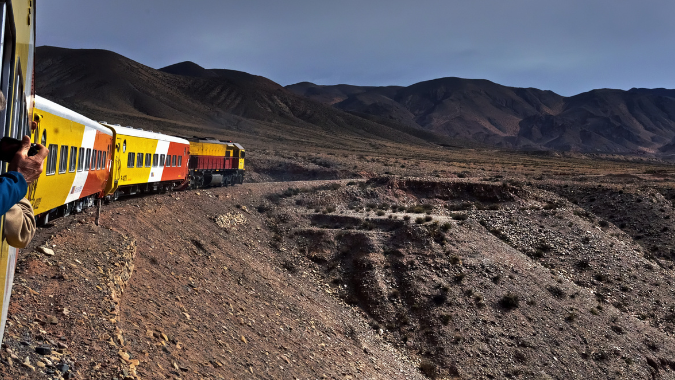
The Tren a las Nubes is a high-altitude train ride that starts in the province of Salta, in northwest Argentina. The name means “Train to the Clouds”, and it makes sense: at its highest point, the train reaches around 4,220 meters (13,845 ft).
Most people do this trip for the landscapes, the silence of the mountains, and the chance to cross the famous Polvorilla Viaduct.
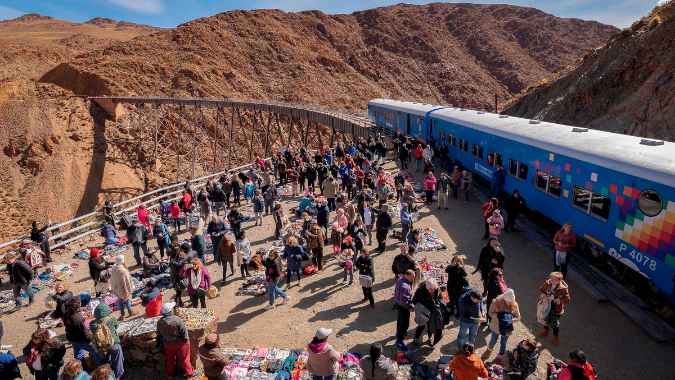
Where is the Tren a las Nubes located?
It runs through the Andes, following part of the old route of the Ramal C14, close to the border with Chile.
If you look up “where is the Tren a las Nubes located” or “Tren a las Nubes map,” you will see that it goes through small mountain towns. It also travels through canyons, salt flats, and open valleys. The highlight is always the last stretch, where the train crosses the viaduct suspended over the mountains.
How does the experience work?
The Tren a las Nubes is no longer a full train journey from Salta city, and that’s something many travelers don’t realize. Today, the experience combines a bus and a train. This design keeps the most scenic views while making the day smoother and safer at high altitudes.
The day usually starts early in Salta. You take a bus from the city through the Quebrada del Toro. This is a narrow valley with cactus fields, old farming terraces, and small Andean villages.
The bus makes several short stops so you can take photos, stretch your legs, and learn about the area. This part of the trip already gives you a good sense of the landscape and helps your body adjust gradually to altitude.
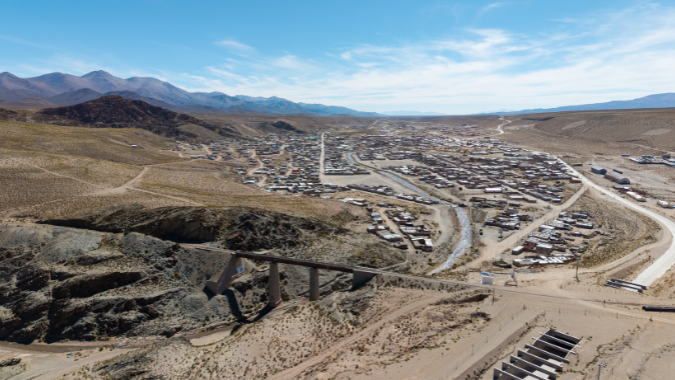
You then reach San Antonio de los Cobres, a quiet mining town at around 3,700 meters. This is where you board the actual train. Many people ask, “How long is the Tren a las Nubes route?” They want to know how much of the original track is still used.
The current train section shows the best part. This is the climb from San Antonio de los Cobres to the Polvorilla Viaduct. This viaduct is an engineering landmark that shows up in almost every photo and video online. The train slows down as it crosses the viaduct so everyone can take pictures of the long curve suspended above the mountains.
How long does the full tour take?
Another common question is “how long does the Tren a las Nubes trip last?”.
In total, expect 10 to 12 hours, depending on the number of stops and the season. That includes:
- the bus ride from Salta to San Antonio de los Cobres
- short scenic stops along the valley
- boarding and riding the train
- time at the Polvorilla Viaduct
- the return journey back to Salta
It’s a long day, but most travelers say the combination of landscapes, altitude, and the iconic viaduct crossing makes it feel unique.
How high does the Tren a las Nubes go?
This is one of the most common questions:
The maximum altitude is 4,220 m, reached at the Polvorilla Viaduct.
If you’re sensitive to altitude, go slow, drink water, and avoid heavy meals before the trip.
Is the Tren a las Nubes still operating?
Yes, it continues to operate with regular departures in 2026.
Schedules may vary by season, so people often search for “Tren a las Nubes timetable”. It’s always best to check updated dates before planning your itinerary.
How much does it cost?
The price for the Tren a las Nubes changes slightly each season, but you can use USD 150–200 as a realistic range. The ticket includes the bus + train combination, guided stops along the way, and the ride to the Polvorilla Viaduct.
It costs more than a regular train. This is because the experience is made for visitors. There are limited departures and high-altitude logistics. The route focuses on the most scenic part of the Andes.
If you're planning the trip during holidays or winter season, it’s better to book early since departures often sell out.
Photocap: San Antonio de los Cobres, the high-altitude town where the train journey begins.
How to buy Tren a las Nubes tickets
You can buy Tren a las Nubes tickets on the official website. You can also buy them from licensed tour operators. These operators offer a full experience, including pickup in Salta, transport, and help during the day.
Many travelers like to book with an agency. It makes getting to the departure point easier. It also keeps everything organized in one place.
Since trains do not run every day and have limited seats, it is best to book a few weeks ahead. This is especially true from June to August. If you want an easier option, you can book the experience through trusted operators like Daytours4u. The tour includes pickup, a bus and train ride, and all the planned stops.
Is the Tren a las Nubes worth it?
Yes and for reasons that go beyond the photos.
The Tren a las Nubes gives you access to a part of the Andes that you wouldn’t see otherwise. The landscape changes all the time. You see red canyons, open valleys, and small mountain towns.
Finally, the train climbs to the high-altitude plateau near the Polvorilla Viaduct. That moment, watching the train curve over the bridge with nothing but silence and mountains around you — is what makes the trip special.
It’s also one of the few places in the world where you can feel what high altitude is like without doing a long trek. The slow pace of the train and the size of the mountains make the day feel special.
Polvorilla Viaduct: the highlight
The Polvorilla Viaduct is the moment everyone waits for. The bridge is over 4,200 meters long.
It stretches across a wide mountain plateau. Here, the wind, silence, and size of the Andes make the scene feel unreal. As the train approaches, you see the full curve of the track suspended above the valley it’s the classic image that appears in almost every photo of the Tren a las Nubes.
The train crosses the viaduct slowly so you can enjoy the view from both sides. You have time to take pictures.
However, the real impact comes from looking out the window. Everything feels small compared to the landscape. It’s one of those moments where the name “Train to the Clouds” finally makes sense.
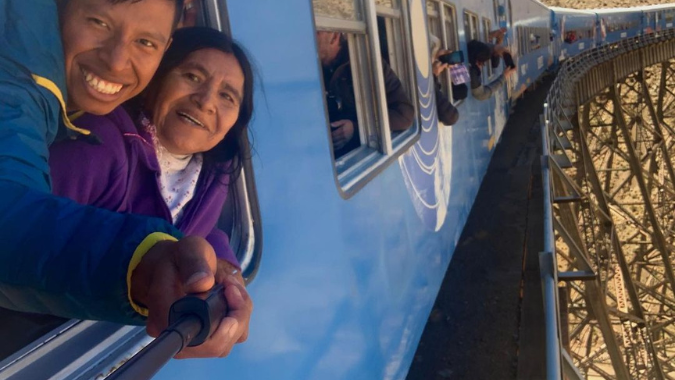
Once you board the train, everything slows down. It’s a calm ride designed so you can focus on the landscape. Here’s what the experience feels like:
- Wide panoramic windows
- Every seat has a clear view of the mountains, so no need to fight for a “better side”.
- Slow and steady movement
- The train climbs at a gentle pace, giving you time to enjoy the scenery and take photos without rushing.
- A relaxed atmosphere inside
- Warm drinks, simple local snacks, and space to move around the carriage.
- Altitude support if needed
- Staff are trained for high-altitude travel, and oxygen is available for anyone who feels light-headed.
- Short explanations from the guides
- Not heavy commentary — just the key stories that help you understand the railway, the local communities, and the engineering behind the viaduct.
- A journey focused on the view
- This isn’t a luxury train or a fast ride. It’s a slow crossing of the Andes meant to let you take everything in.
Thinking about booking your trip to Salta?
If you want to compare dates, see updated prices, or explore other activities in Salta, you can check all the options available on Argentina4u. It’s an easy way to plan the experience and see which tours match your itinerary
Published by Has Chacon on 03/06/2026


